
 日本語
 한국어

- Copper Core & DTP Designs
- Standard & DTP Structures

- Precision Machining
- Machining & Surface Finish

- PCB Quality Inspection
- AOI & Flying Probe Testing

- PCB & Assembly Services
- Parts Sourcing & SMT
What Is a Copper Core PCB
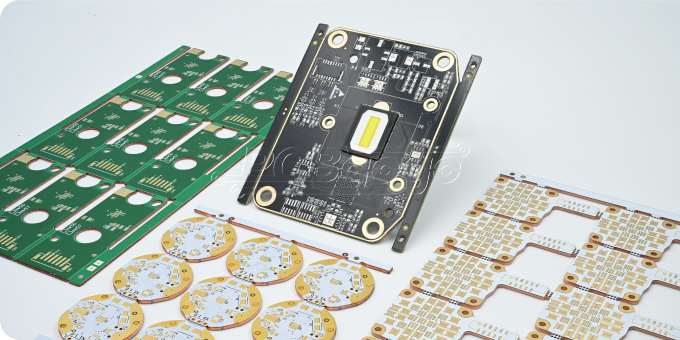
A copper core PCB is a metal-core circuit board built on a solid copper base. The copper base spreads heat across a larger area so it can transfer to a heat sink or enclosure. This construction is useful when components generate a lot of heat in a small area and the board needs to carry that heat to a cooling surface.
Copper Core PCB Structure and Thermal Paths
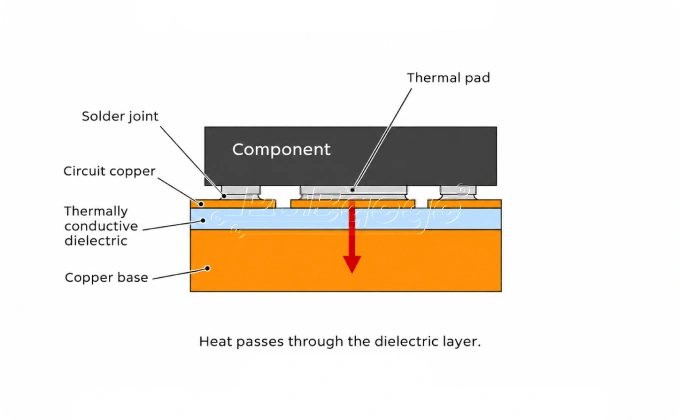
Standard Copper Core PCB
In a typical single-sided construction, heat travels from the component through the circuit layer and dielectric into the copper base.
Circuit Layer — Forms electrical traces and component pads.
Thermal Dielectric Layer — Provides electrical insulation while transferring heat.
Copper Base — Supports the board and spreads heat toward the cooling surface.
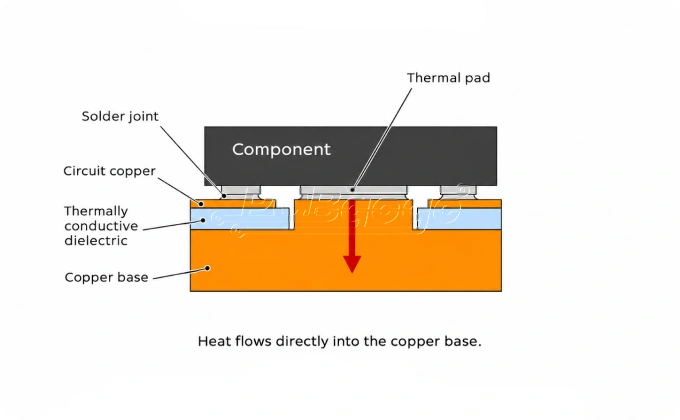
Direct Thermal Path (DTP)
In a thermoelectric separation design, a raised copper feature can connect the component’s thermal pad to the copper base through the solder joint. The main heat path bypasses the dielectric at that location, while the circuit pads remain insulated from the base.
DTP is also used in some aluminum base designs. Its benefit depends on the component’s thermal pad, the attachment quality, and how effectively heat leaves the base. Confirm the pad’s electrical requirements before choosing this structure.
Figure caption At the thermal pad, heat enters the copper base through a raised copper feature. The surrounding circuit pads remain insulated.
When Should You Choose a Copper Core PCB?
Copper conducts heat more effectively than aluminum, but the right base material depends on your thermal requirements, weight, and budget.
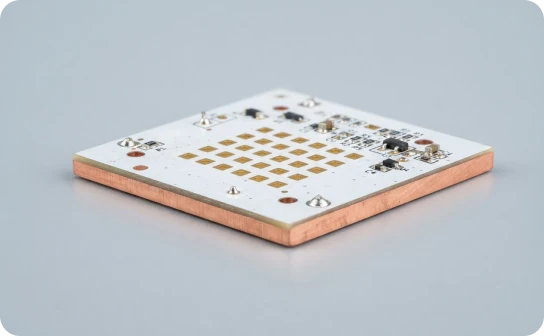
Copper Core PCB
Copper's higher thermal conductivity makes it useful for designs with concentrated heat sources. Consider a copper core PCB when improved heat spreading is needed to meet your thermal requirements.
Aluminum Core PCB
Aluminum provides a lighter, generally more cost-effective option. If your design already meets its temperature requirements with an aluminum core PCB, copper may not be necessary.
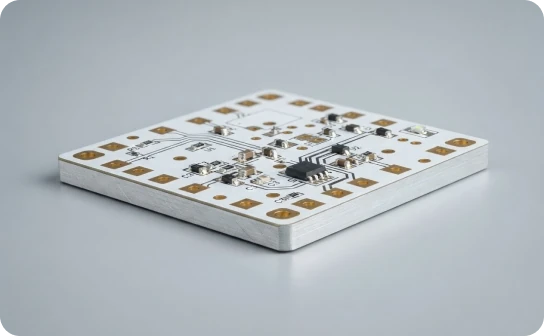
PCBgogo Copper Core PCB Manufacturing Capabilities
Available combinations depend on the board structure and manufacturing process.
Applications of Copper Core PCBs
-
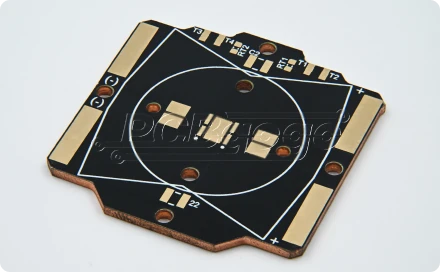
High-Power LED Lighting
Dense LED arrays generate heat in a small footprint. A copper core can distribute that heat across a wider mounting surface for transfer to the luminaire’s heat sink.
-
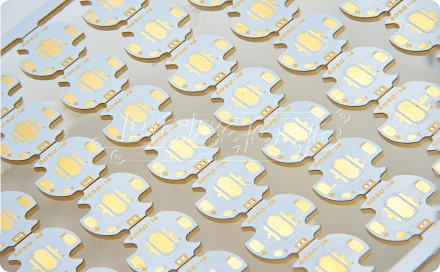
Power Electronics
Switching devices in compact converters generate localized losses. Where the board limits heat spreading, a copper base can carry heat from the device footprint toward the cooling interface.
-
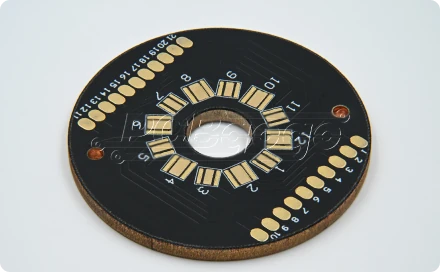
Industrial Equipment
Motor drives in confined enclosures may rely on the chassis for cooling. A copper base can distribute heat from power devices across a wider board-to-chassis contact area.
-
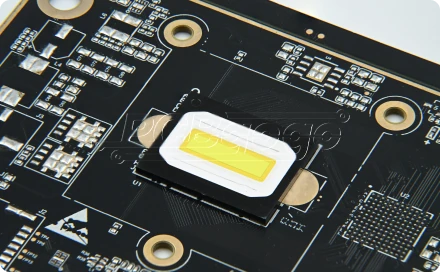
Automotive Power Applications
Vehicle power electronics can have limited cooling space around hot components. A copper base is an option where spreading heat toward the cooling interface could help meet temperature targets.
-
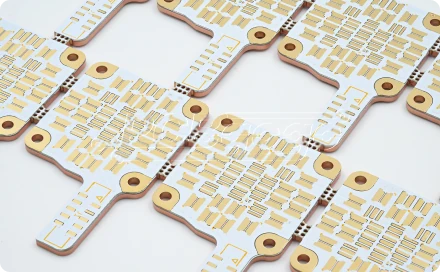
Laser & Photonics
High-power laser diode modules can develop hot spots that affect optical output and temperature stability. A suitable copper base PCB can transfer heat from board-mounted devices toward the module’s cooling structure.
-
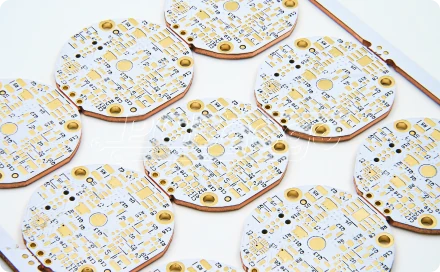
RF Power Amplifiers & Communications
Power transistors in RF amplifiers can produce intense local heating. A copper base can improve the path to a heat sink where the stackup also meets the design’s RF material and impedance requirements.
PCBgogo Order Process
Specialized in high-precision circuit board technology, we provide full-process, one-stop services to meet strict industrial manufacturing standards.


PCB & PCBA Quality Control Capabilities
-
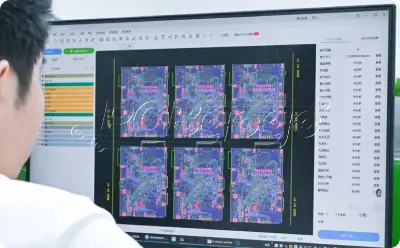
Material & Stack-Up Review
Checks the selected materials and layer structure against project requirements.
-
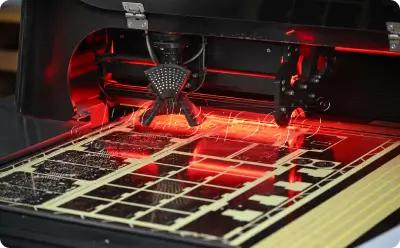
AOI Inspection
Detects visible circuit-pattern defects.
-
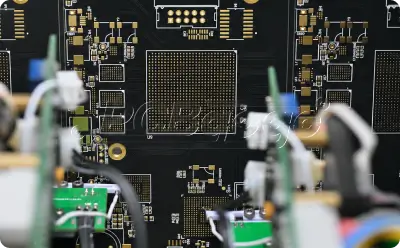
Flying-Probe Testing
Checks for opens, shorts and continuity.
-
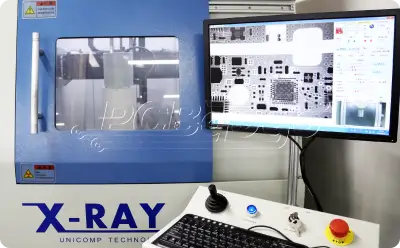
X-Ray Inspection
Examines hidden features where applicable.
-
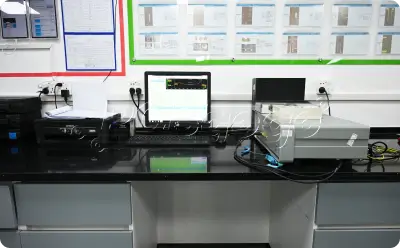
Thermal Resistance Testing
Measures trace impedance against specified targets when impedance control is required.
-
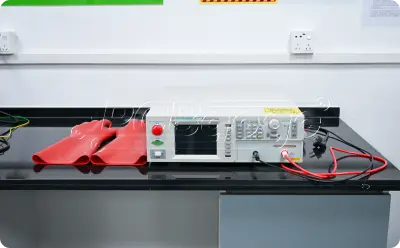
Hi-Pot Tester
Verifies electrical insulation between the copper circuit and aluminum base.
-
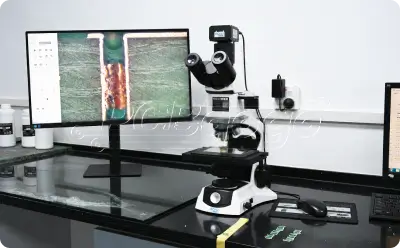
Metallographic Cross-Section Microscope
Examines the copper, dielectric and metal-core layers in a board cross-section.
-
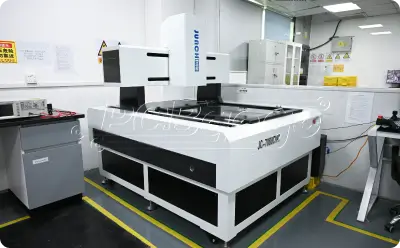
Optical Dimensional Inspection System
Checks board outlines and machined dimensions against approved drawings.
-
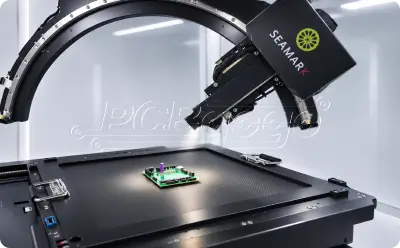
3D PCBA Inspection System
Checks component placement and height when PCB assembly is included.
-
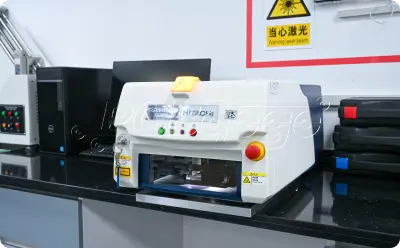
Plating Thickness Analyzer
Measures specified metal coating and surface-finish thicknesses.
Copper Core PCB FAQs
How do I choose between copper and aluminum base PCBs?
Start with your component temperature limit and available cooling area. If an aluminum base meets that limit with the intended stackup and heat sink, it may be sufficient. Evaluate copper when heat spreading in the base is a limiting factor.
Is a copper base PCB the same as a heavy copper PCB?
A copper base PCB uses a solid copper substrate to spread heat. A heavy copper PCB uses thicker copper in its circuit layers, often to carry higher current. If you need both, specify the base thickness and circuit copper weight separately.
When should I request a direct thermal path design?
Consider DTP when the dielectric under a concentrated heat source is a significant part of the thermal resistance. Send the component datasheet and a drawing of the thermal pad area so we can review electrical isolation and manufacturing feasibility.
What files do I need for a quote?
Start by entering your board size, quantity, and specifications in the online quote. At the file submission step, upload a ZIP containing your Gerber and drill files. For a custom review, also include a stackup drawing that identifies the base thickness, circuit copper weight, hole types, and any critical insulation or thermal requirements.
Can I request specifications that are not in the online quote?
Yes. Send your drawings and highlight the features that need review, such as a custom thickness, additional layers, or special machining. We’ll confirm feasibility before you place the order.
Can I order PCB manufacturing and assembly together?
Yes. Request assembly with your PCB fabrication order and include your BOM and placement file. Assembly feasibility depends on the copper base construction, components, and process requirements.

