日本語
 한국어

How to Reduce PCB Manufacturing Costs Starting from PCB Design?
QUICK ANSWER PCB manufacturing cost falls when you design to standard fabrication rules, choose only the materials and finishes the product needs, and give the factory enough time to run a normal schedule. Compare quotes using the same Gerbers, stackup, quantity, lead time, and test scope; otherwise, a lower price may simply hide a different specification.
A board can pass every electrical check and still be expensive to build. Often the price was fixed weeks earlier by a dense layout, a special finish, or a deadline that forces an expedited run. The best savings come from decisions made before the files are released.
Key Takeaways
Start with the layout: Keep layer count, hole types, trace rules, and board outline within the fabricator's standard process where performance allows.
Specify for the application: Choose laminate, copper weight, and surface finish from actual electrical, thermal, assembly, and storage requirements.
Quote the complete job: Check panel utilization, lead time, components, assembly, and testing together. The cheapest bare board can make the assembled product more expensive.
What Drives PCB Manufacturing Cost?
PCB fabrication cost reflects both material consumed and the number of process steps needed to produce an acceptable board. These factors usually move the quote most:
Layer count and stackup: Extra layers add materials, imaging, drilling, lamination, and inspection. A nonstandard dielectric or controlled-impedance stackup may narrow the available process options.
Geometry and holes: Very fine traces, small drills, blind or buried vias, and via-in-pad features require more demanding processing and can reduce yield.
Area and order size: A larger or awkward outline uses more panel area; very small batches spread setup work across fewer good boards.
Finish, schedule, and verification: ENIG, rush production, and specialized inspection add steps or capacity pressure. Ask which items are required by the product rather than selecting every available option.
How to Save PCB Manufacturing Cost
If a quote comes back higher than expected, start with the PCB design. The layers, vias, and finishes you specify determine much of the work the factory has to do. Once those choices are right for the product, look at how the boards are scheduled, panelized, assembled, and tested to bring the total cost down further.
1. Reduce Cost Before Releasing the Design
Right-size the stackup: Route a four-layer controller on four layers if it needs solid reference planes; do not force it onto two layers and create signal or EMC problems. Conversely, remove unused layers and specify a standard thickness when the layout permits.
Use ordinary vias where possible: Through vias are generally simpler than blind and buried vias. If a fine-pitch BGA forces HDI, confine the advanced structure to what breakout routing actually needs; do not apply it across the board by habit.
Relax unnecessary fabrication limits: Check trace width, spacing, drill size, annular rings, and copper weight against the real current and impedance requirements. A wider, more forgiving rule set gives the factory more room to manufacture reliably.
Choose the finish deliberately: Lead-free HASL is often economical for conventional pads; ENIG offers a flatter surface for fine-pitch parts and demanding assembly. OSP can suit planned, prompt assembly, but its handling and reflow limits need agreement with the assembler. Do not pay for ENIG solely because it looks premium.
Plan for assembly at the same time: If space permits, replacing 0201 passives with 0603 parts can ease placement and rework. A leaded package such as SOIC may be easier to inspect than a QFN, but its larger footprint can raise board cost. Compare the complete PCBA quote before changing footprints.
For example, a compact sensor board with only a few 0201 parts may gain little from the smaller package if moving to 0603 still fits the enclosure. The change can simplify assembly without touching the electrical function, provided parasitics and placement are checked.
2. Save More as You Move Into Production
Match material to the job: Standard FR-4 is usually the economical starting point for general electronics. Aluminum-core boards cost more to process but can help move heat in LED or power designs; RF laminates cost more and earn their place when loss or dielectric control demands them. Request identical-volume quotes for the viable options.
Give the build a normal lead time: Expedited slots carry a premium and reduce the chance to combine work efficiently. Release approved files earlier, then reserve rush service for a genuine schedule risk.
Ask about panelization: Place multiple small boards on a production panel where handling and assembly benefit. Agree on rails, fiducials, breakaway method, and edge clearance with the factory; a dense panel that creates depaneling damage is a false saving.
Choose a sourcing model: For PCBA, compare full turnkey with partial turnkey or consigned assembly. Supplying an expensive or already-stocked IC can help, but include freight, kit preparation, shortages, and schedule ownership in the comparison.
Test according to risk: Keep the bare-board open/short electrical test and any required acceptance checks. For optional destructive cross-sections or extra qualification tests, agree on a risk-based sampling plan; do not substitute a few sampled boards for continuity testing across the lot.
As an example, a team buying 200 identical control boards can compare one panelized, standard-lead-time order with several urgent small releases. The useful comparison is cost per accepted assembled board, including freight and any rework, not the bare-board line item alone.
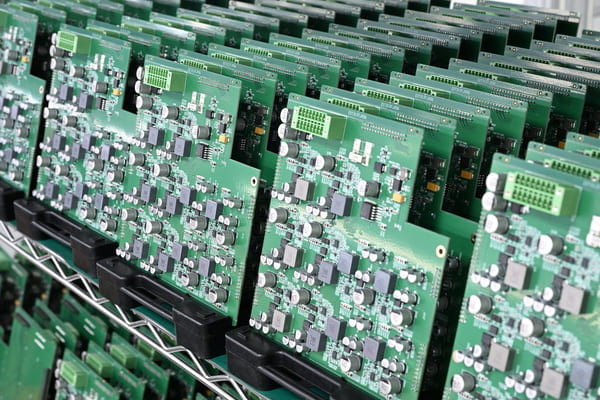
How PCBgogo Helps You Reduce PCB Manufacturing Costs?
A low quote loses its appeal if defects or delays force a second run. PCBgogo helps manage those risks throughout the build:
Design review. Its free DFM check can flag features that complicate fabrication, so you can discuss simpler options before production.
Clearer cost choices. Compare materials, finishes, panelization, lead times, and turnkey or partial-turnkey assembly against the same product requirements.
Quality checks. PCBgogo uses incoming-material, in-process, optical, and electrical inspections as appropriate to the build. Catching defects early helps avoid rework and reduces the risk of premature failure.
After-sales support. If a PCB quality issue appears, PCBgogo says it responds within 24 hours and may replace affected boards under its quality guarantee.
Fast prototypes when needed. PCBgogo has made PCBs since 2015. For eligible urgent prototypes, it offers fabrication in as little as 24 hours.
Send the Gerbers, stackup, BOM, placement file, quantity, and target date together for a quote that reflects the entire job.
PCBgogo - Reliable, High-Quality PCB Manufacturing
PCBgogo is a one-stop PCB and PCBA manufacturing factory, helping you save time and costs while ensuring consistent, reliable quality.
Get a Free Quote >
Conclusion
To reduce PCB manufacturing cost, make the board easy to fabricate, then price the whole assembled and tested job against the product's real requirements. If you have a design ready, request a PCBgogo quote and ask for the cost impact of one standard-process alternative before you freeze the files.
Frequently Asked Questions
Does Reducing PCB Layer Count Always Save Money?
No. Fewer layers can lower PCB fabrication cost, but they may force tighter routing, larger boards, or poor return paths. Compare a manufacturable stackup and total product cost before removing a layer.
When Is ENIG Worth the Extra Cost?
ENIG is worth considering when flat pads, fine-pitch assembly, or storage needs justify it. For a simple board with larger pads and a suitable assembly process, lead-free HASL may be the better value.
Can I Sample-Test Bare PCBs to Cut Cost?
Sampling may be suitable for agreed supplementary tests, depending on product risk. It should not replace routine open/short electrical testing or any contractual, regulatory, or reliability requirement.