日本語
日本語
 한국어
한국어

HASL vs ENIG: Which PCB Surface Finish Should You Choose in 2026?
Choosing the wrong PCB surface finish is a hidden mistake that many people easily run into. You often don't notice the problem until after the board has been assembled. Then issues start showing up, like weak solder joints, lifted pads, or parts that just won't take solder. At that point, the project is already delayed. You also end up spending a lot of time troubleshooting. It's really frustrating, and honestly not worth the trouble.
In most cases, these problems come from one key decision made early in the project: should you choose HASL or ENIG as your PCB surface finish?
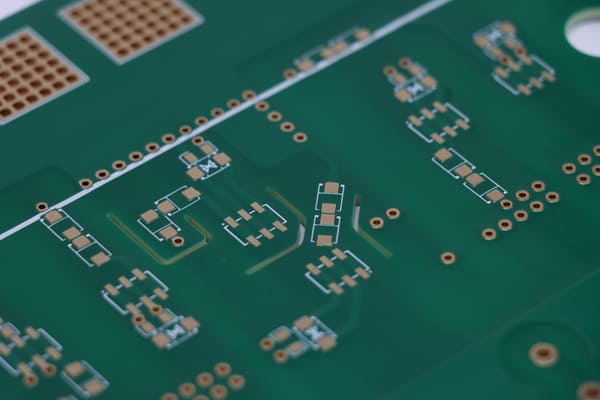
So what's the real difference between these two processes? In this article, we'll break it down in a clear and practical way. This will help you pick the right finish before PCB prototyping or production, so you can avoid costly fixes later.
What Is HASL Finish?
HASL (Hot Air Solder Leveling) is one of the oldest and most widely used PCB surface finishes. The process involves dipping the PCB into molten solder and then using hot air knives to remove the excess, leaving a thin coat of solder on exposed copper pads.
There are two variants:
· Traditional HASL — uses tin-lead solder (Sn63/Pb37)
· Lead-Free HASL — uses SAC alloys (tin-silver-copper), RoHS compliant
HASL finish is known for being cost-effective, robust, and compatible with most standard soldering processes. It's a go-to for through-hole components and general-purpose boards.
That said, HASL has its limitations. The surface isn't perfectly flat, which can cause problems with fine-pitch SMD components. The thermal shock during processing can also stress certain board materials.
What Is ENIG Surface Finish?
ENIG (Electroless Nickel Immersion Gold) is a two-layer metallic coating: a nickel barrier layer (typically 3–6 μm) topped with a thin layer of immersion gold (0.05–0.1 μm). The nickel protects the copper, while the gold provides a flat, oxidation-resistant, solderable surface.
ENIG surface finish is widely preferred for:
· Fine-pitch components (0.5mm pitch and below)
· BGA and QFN packages
· Wire bonding applications
· Boards requiring long shelf life (up to 12 months)
· Gold finger connectors
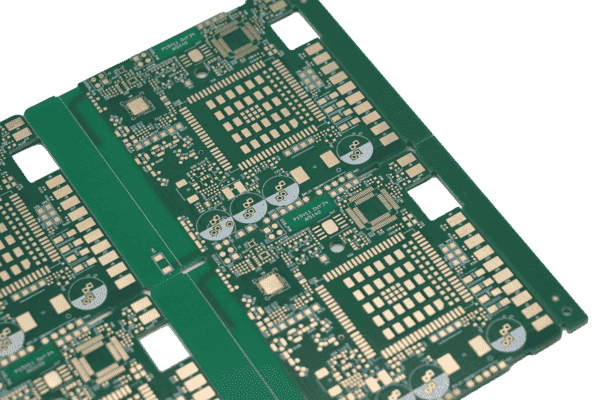
The tradeoff? It's more expensive than HASL and requires tighter process control. A known failure mode is "black pad syndrome" — a brittle nickel phosphide layer that forms during poor plating, causing weak solder joints.
HASL vs ENIG: What's the Difference?
| Feature | HASL Finish | ENIG Surface Finish |
|---|---|---|
| Cost | Low | Medium–High |
| Surface Flatness | Uneven | Very flat |
| Fine-Pitch Suitability | Limited (>0.65mm) | Excellent (down to 0.3mm) |
| Shelf Life | 6–12 months | Up to 12 months |
| RoHS Compliance | Lead-free HASL only | Yes |
| Solderability | Good | Excellent |
| Wire Bonding | No | Yes (aluminum wire) |
| Risk of Defects | Thermal stress | Black pad syndrome |
| Best Use Case | Standard through-hole/SMD | High-density, fine-pitch SMD |
When to Choose HASL
HASL is the right call when you're working on:
1. Prototypes or low-budget production runs where cost is a priority
2. Through-hole dominant designs with no fine-pitch components
3. High-temperature environments where solder robustness matters
4. Standard consumer electronics with relaxed pad geometry requirements
If your design uses 0805 or larger passives and standard SMD chips, HASL (Hot Air Solder Leveling) is an ideal choice. If you're looking for a reliable manufacturer for HASL surface finishing, PCBgogo is a trusted partner. We offer both leaded HASL and lead-free HASL.
When to Choose ENIG
Go with ENIG surface finish when:
1. Your design has fine-pitch components — 0.5mm pitch QFNs, BGAs, or CSPs
2. Surface flatness is critical for reliable reflow soldering
3. Shelf life matters — ENIG pads don't oxidize, making it ideal for boards stored before assembly
4. Your product requires RoHS compliance and a professional finish
5. You need consistent impedance on high-frequency RF boards
ENIG has become the de facto standard for modern high-density PCBs. If your design has anything under 0.5mm pitch, don't gamble with HASL.
ENIG vs HASL: What About Cost?
ENIG (electroless nickel immersion gold) typically costs significantly more than HASL (hot air solder leveling). This premium comes mainly from the nickel and gold plating steps, along with current gold market prices. The exact cost gap depends on your board size, order volume, and gold prices at the time of production.
For small prototypes, this difference is usually acceptable. But in large-scale production, it can significantly impact total cost.
A practical way to decide is to match the finish to the actual design needs. Using ENIG on a simple, low-density board can be unnecessary. On the other hand, using HASL on a high-density board with fine-pitch ICs often leads to assembly issues that cost more time and effort later.
PCBgogo supports both HASL and ENIG finishes, making it easier to choose the right option based on your design stage—whether you're building early prototypes or moving into mass production.
Conclusion
There's no single winner in the HASL vs ENIG comparison—it really depends on your design needs. HASL is more cost-effective and works well for standard boards. ENIG offers a flatter surface, better performance for fine-pitch components, and a longer shelf life, making it a better fit for high-density designs.
In short, choose your PCB surface finish based on your component requirements, not just your budget.
If your project is moving forward, PCBgogo offers both HASL and ENIG surface finishes, with flexible lead times and a 24-hour rush option available. Whether you need prototypes for testing or full production runs, you'll get high-quality PCBs with consistent, reliable surface finishing. Upload your design files now and check real-time pricing on PCBgogo's online quote page to get your project started right away.
FAQ
Q: Is ENIG better than HASL for all PCBs?
No. ENIG is better for fine-pitch and high-density designs. For standard boards with larger components, HASL offers comparable performance at lower cost.
Q: Is HASL RoHS compliant?
Traditional tin-lead HASL is not RoHS compliant. However, lead-free HASL (using SAC alloys) is RoHS compliant and widely available.
Q: What is black pad syndrome in ENIG?
It's a defect caused by excessive corrosion of the nickel layer during immersion gold plating, resulting in a brittle interface that causes solder joint failures. It's a process quality issue, not an inherent flaw of ENIG itself — choosing a reliable manufacturer minimizes this risk.
Q: Can I use ENIG for gold fingers?
ENIG can be used for card edge connectors, but hard gold (electrolytic gold) is generally recommended for high-wear gold finger applications due to its better abrasion resistance.
Q: Which surface finish has a longer shelf life?
Both HASL and ENIG offer shelf lives of around 6–12 months when stored properly. ENIG tends to be more consistent because the gold layer prevents pad oxidation more effectively than solder-coated HASL pads.