日本語
日本語

What is the "Green Oil" on a PCB? More Than Just a Green Protective Layer
If you've ever held a circuit board, the first thing that catches your eye is likely that distinct green coating that covers most of the surface. Most people know it’s a protective layer, but they don't know its proper name or why it's there. That's what we in the industry call Solder Mask, and it's far more than just a splash of color. Think of it as the board's armor, designed to shield the delicate copper traces from the world.
The Real Name and Core Function: Solder Mask
The term "green oil" is a common industry nickname, but the technical name for this coating is solder mask or solder resist. As the name suggests, its primary purpose is to "mask" off areas where you don't want solder to stick during the assembly process.
Here’s a breakdown of its critical roles:
Preventing Solder Bridges: During the soldering process, especially when using automated wave soldering or reflow ovens, solder flows over the entire board. Without a solder mask, a small amount of molten solder could accidentally "bridge" two adjacent copper traces, creating a short circuit that would render the board useless. The solder mask acts as a non-conductive barrier, exposing only the solder pads where components are meant to be connected, thus preventing these shorts.
Electrical Insulation: The solder mask provides an extra layer of electrical insulation, protecting the copper traces from accidental contact with foreign conductive objects or environmental contaminants like dust and moisture. This is especially important for high-density boards with very fine traces packed closely together.
Physical Protection: Beyond electrical insulation, the solder mask protects the delicate copper circuitry from scratches, corrosion, and oxidation, ensuring the board's longevity and reliability over time.
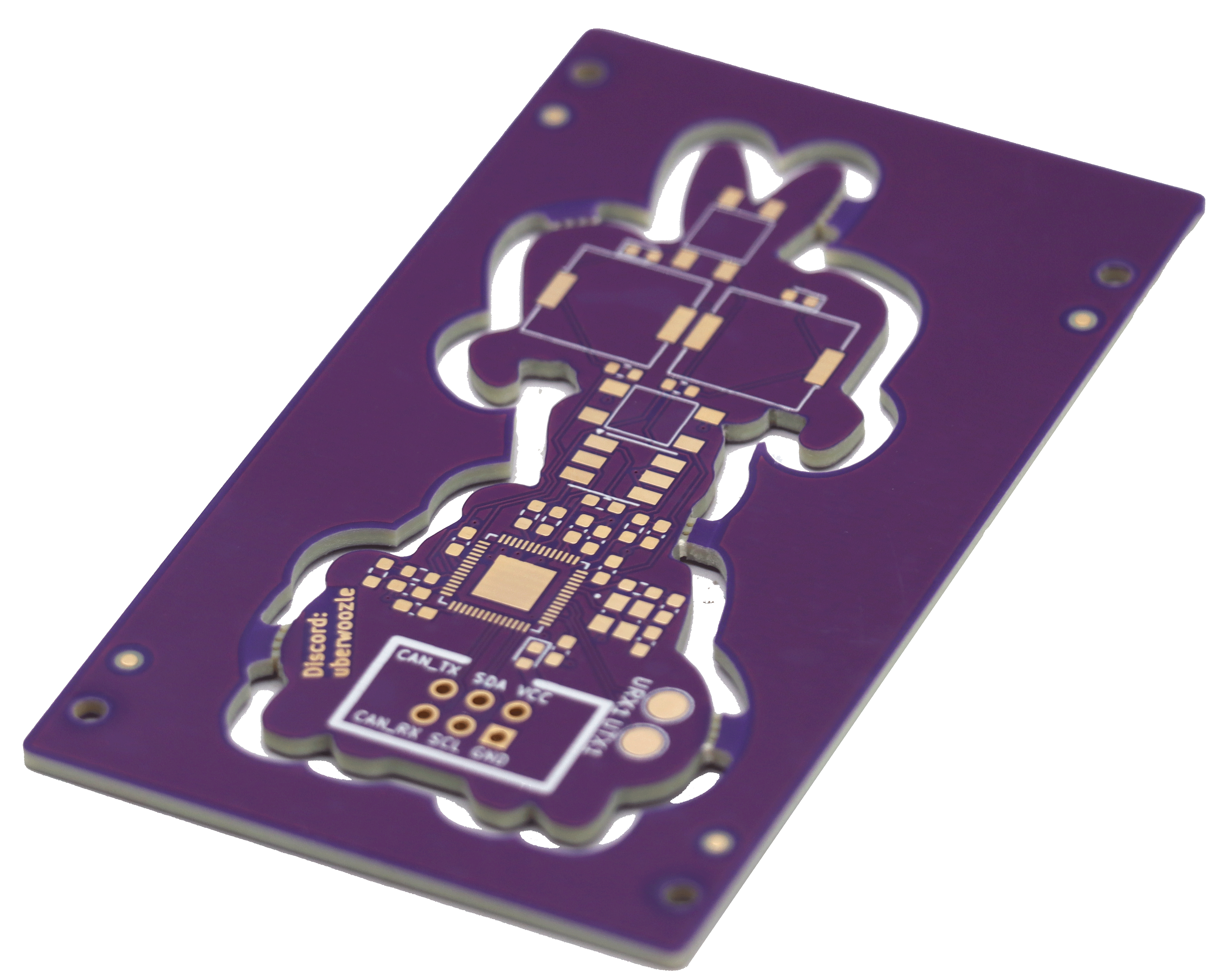
Why Is It Usually Green? A Matter of History and Process
While solder mask can come in many colors today, green remains the most common and classic choice. There's a practical reason for this. Historically, the first solder mask materials were a photolithographic liquid polymer that had a green pigment. Over time, manufacturers perfected the process with this color because it offered the best contrast for inspection. The green color provides a good background for the white silkscreen legend (the text and symbols printed on the board), and it makes it easier for human operators to visually inspect the board for defects.
Today, you'll find PCBs in a wide array of colors, from black and blue to red and white. These alternative colors are often used for aesthetic reasons or to differentiate between different product versions. For example, some companies use black solder mask for premium or high-end products, while others use red or blue to match their brand identity. However, it's worth noting that some colors, like black, can make visual inspection more difficult and may slightly increase production costs.
The Evolving Role of Solder Mask
The role of solder mask is becoming even more critical with current industry trends. As devices get smaller and more complex, PCBs are becoming denser, with thinner traces and tighter spacing. This increases the risk of solder bridges and requires a more precise application of the solder mask.
The rise of high-frequency applications, like those in 5G and IoT, also places new demands on solder mask materials. These applications require materials with specific dielectric properties that won't interfere with high-speed signals. The industry is constantly developing new solder mask formulations to meet these advanced requirements, ensuring signal integrity on cutting-edge boards.
For us at PCBgogo, solder mask is not just a final layer—it's a fundamental part of the board's design and reliability. We understand that selecting the right solder mask, whether it's the standard green for cost-effectiveness and reliability or a custom color for branding, is a crucial step in the manufacturing process. We ensure that our solder mask is applied with the utmost precision to guarantee that every board we produce is protected, reliable, and ready to perform its job flawlessly. We don't just put a coat of paint on a board; we apply a precision-engineered shield.