日本語
 한국어

The Pivotal Role of PCB in Immersive Experience Devices Amid the Metaverse Boom
The metaverse, a sci-fi concept originating from Neal Stephenson's 1992 novel Snow Crash, has evolved into a rapidly expanding virtual realm driven by advancements in virtual reality (VR), augmented reality (AR), and artificial intelligence (AI). Immersive devices such as VR headsets, AR glasses, and haptic tools serve as gateways to this digital world, and their performance largely depends on printed circuit boards (PCBs). Among them, high-density interconnect (HDI) PCBs play a significant role in efficient connectivity, high-speed transmission, and precise integration with their unique advantages.
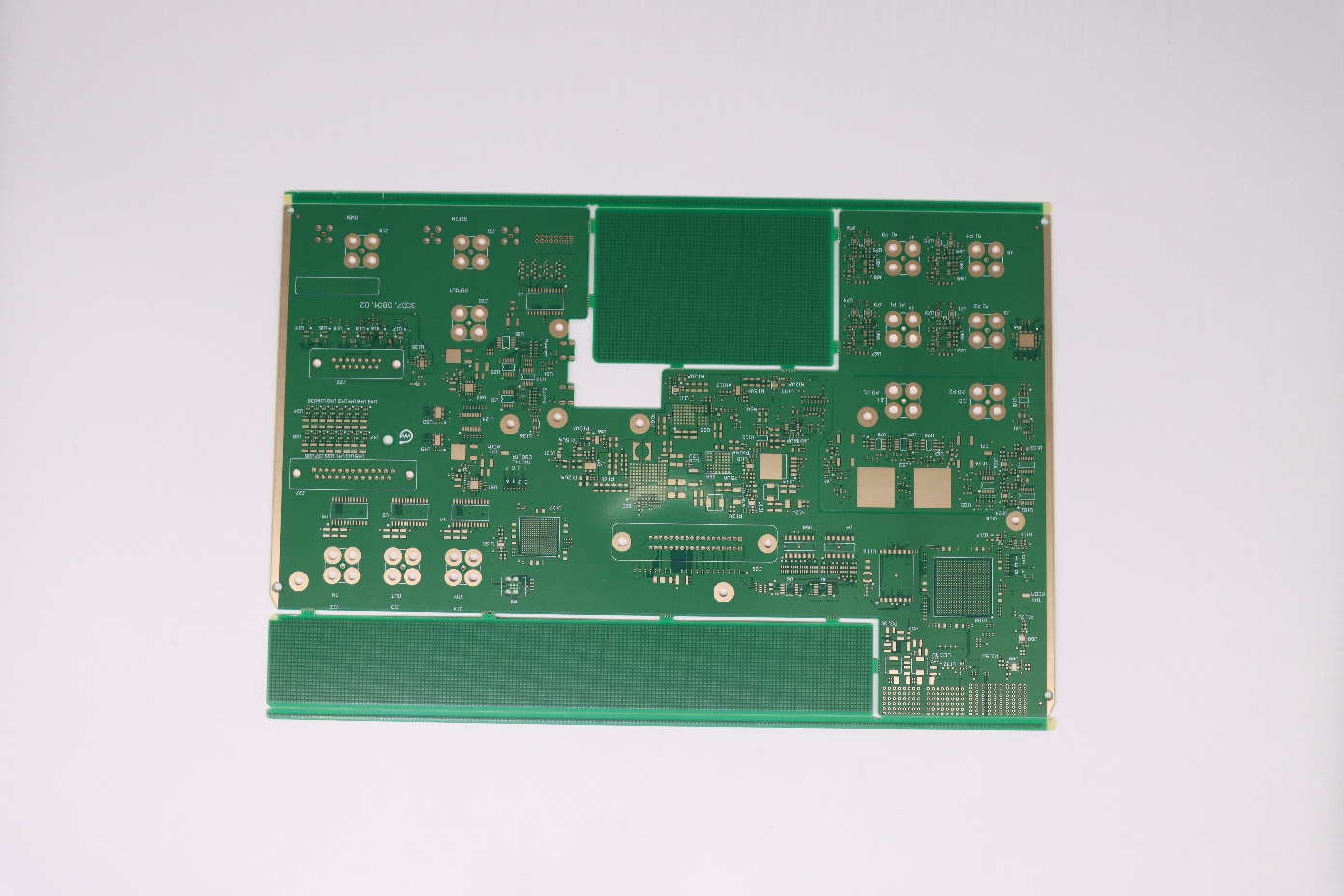
1. VR/AR Devices: Access Points to the Metaverse
The smooth experience of VR headsets (e.g., Meta Quest) and AR glasses (e.g., Microsoft HoloLens) relies on PCB technology:
High-Speed Data Transmission
With its fine circuit design, PCBs support real-time rendering of 4K/8K visual content at a refresh rate of 90-120Hz through high-speed interfaces (USB 3.2, HDMI 2.1). This reduces the delay in graphic transmission between GPUs, displays, and sensors, thereby preventing motion sickness in users.
Low-Latency Response
PCBs using advanced materials like Rogers 4350B further reduce signal delay by optimizing dielectric properties, ensuring that users' movements are instantly reflected in the virtual environment.
Miniaturized Design
PCBs with fine circuits and micro-vias, combined with system-in-package (SiP) and chip-on-board (CoB) technologies, can integrate CPUs, sensors, and wireless modules into compact and lightweight designs, perfectly meeting the lightweight requirements of VR/AR devices. HDI PCBs, in particular, exhibit outstanding integration advantages in such designs.
2. Haptic Feedback Devices: Adding a Sense of Touch to the Virtual World
VR gloves and haptic vests rely on PCBs to simulate physical sensations:
Precise Control
The high-density wiring capability of PCBs can accurately adjust multiple actuators (motors, solenoids) to synchronously generate subtle vibrations and pressures, precisely simulating textures or impacts in virtual interactions.
Energy Efficiency Optimization
Technologies such as pulse-width modulation (PWM) and dynamic voltage regulation integrated into PCBs can specifically optimize energy usage, extending the battery life of devices for long-term wear.
3. Future Trends of PCBs in Metaverse Technology
Higher Performance: PCBs will develop towards finer circuits, combined with 3D packaging technology to support next-generation displays and AI chips, enabling real-time object recognition.
Integration: PCBs will become the core carrier for 5G/Wi-Fi 6E integration, facilitating global metaverse access. Meanwhile, AI-empowered PCBs will enhance gesture tracking functions.
Sustainability: PCBs made of recycled materials and energy-saving designs will align with the concept of environmentally friendly manufacturing.
4. PCBgogo's Role in the Metaverse Era
At PCBgogo, we specialize in PCB technology, especially with rich experience in the field of HDI PCBs.Our products meet the strict performance requirements of virtual devices with high-precision circuits and advanced materials. Our flexible and high-speed PCB product lines can also adapt to diverse scenarios. Our engineering team uses advanced simulation tools to optimize designs and continuously explores new materials and processes through R&D cooperation to maintain a leading position, committed to providing strong impetus for the next generation of immersive technologies.