日本語
日本語
 한국어
한국어

Green Manufacturing Wave: How PCB Industry Balances "Eco-friendliness" and "Efficiency"?
The global push for carbon neutrality has turned "green manufacturing" from a buzzword into a survival imperative for the PCB industry. Known for its reliance on chemicals, energy, and water, PCB production faces growing pressure—stricter regulations (like EU’s REACH and China’s "Double Carbon" policies) clash with the need for fast turnaround and cost control. So how do we reconcile these two? It starts with reimagining every step of the process.
1. Material Innovation: Less Harm, More Performance
Traditional PCB materials often contain lead, brominated flame retardants, and volatile organic compounds (VOCs). Today, alternatives are changing the game:
2. Cleaner Production: Cutting Waste at the Source
Efficiency and eco-friendliness converge when processes are redesigned to minimize waste:
3. Digital Tools: Precision Reduces Waste
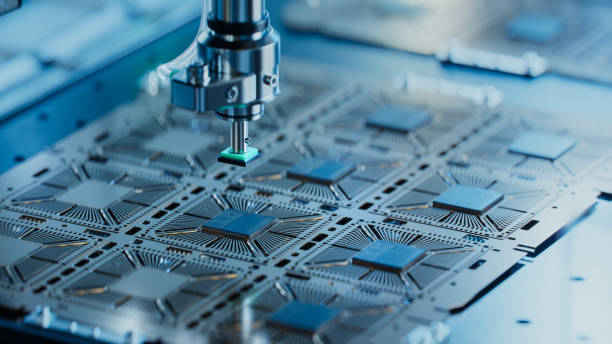
The rise of Industry 4.0 offers a third way: using data to eliminate inefficiencies that harm both the planet and profits.
4. End-of-Life Solutions: Closing the Loop
Sustainability doesn’t end when a PCB leaves the factory. The industry is finally tackling e-waste:
At PCBgogo, we’ve learned that green manufacturing isn’t a trade-off—it’s a mindset. We’ve invested in lead-free production lines that slash harmful emissions by 40% while maintaining 24-hour prototyping speeds. Our AI-optimized etching processes reduce chemical waste, and we partner with recyclers to ensure our offcuts find new life. For us, balancing eco-friendliness and efficiency isn’t just about meeting regulations; it’s about building a industry that can thrive for decades. After all, the most efficient PCB is one that leaves the planet better than it found it.