日本語
日本語
 한국어
한국어

Sheet Metal Screws: Types, Sizes, and Selection Rules
Sheet metal screws are threaded fasteners designed to form or cut threads in thin metal, plastic, or similar materials. The correct screw matches the sheet thickness, pilot hole or drill point, head style, corrosion environment, and the amount of thread engagement available.
Which Sheet Metal Screw Types Should You Know?
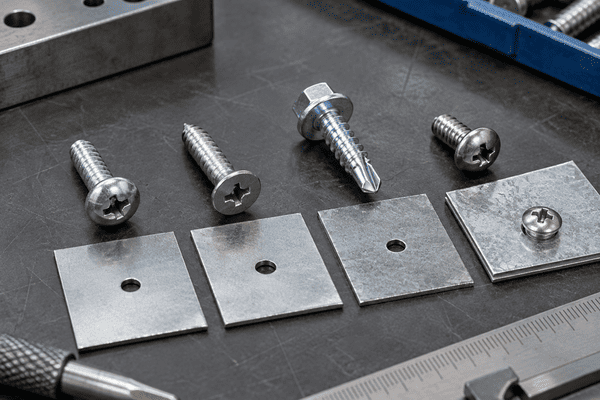
Sheet metal screw types are defined by their point and thread behavior.
Thread forming screws: Displace material to create mating threads and work best in ductile thin sheet with a correctly sized pilot hole.
Thread cutting screws: Cut material as they advance and are useful where chip clearance or lower installation torque is important.
Self drilling screws: Use a drill shaped point to make a pilot hole and form threads in one operation.
Type A and AB screws: Common sharp point sheet metal screws used for many general fastening jobs.
Type F screws: Thread cutting screws with machine screw style threads, often selected for heavier gauge applications.
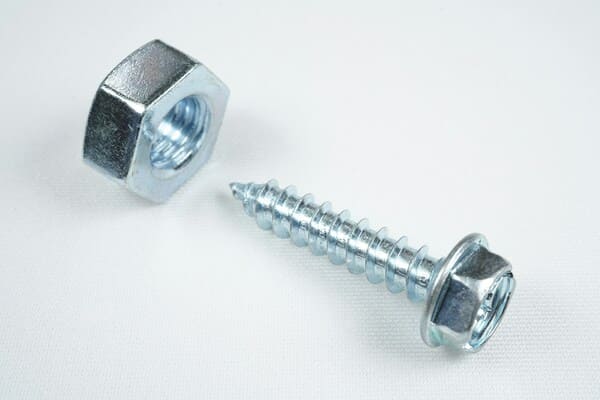
Thread forming, thread cutting, thread rolling, and self drilling screws behave differently. A screw that works in thin ductile sheet may strip or crack a harder or thicker substrate.
What Determines the Right Screw Selection?
The right selection begins with the full joint stack, not just the screw diameter.
Total material thickness: Length must pass through the joined materials while avoiding excess protrusion or interference behind the panel.
Thread engagement: Thin sheet offers limited engagement, so diameter, point style, and pilot hole size strongly affect pullout resistance.
Head style: Pan, truss, flat, and hex washer heads distribute load differently and affect appearance and access.
Environment: Zinc plating provides general corrosion protection, while stainless options are often selected for wet or outdoor exposure.
Sealing requirement: Roofing and outdoor panel joints may use a sealing washer to limit water ingress.
How Can CNC Machining Support a Fastened Sheet Metal Assembly?
Some sheet metal assemblies need CNC machined mating parts such as spacers, tapped blocks, bosses, or precision mounting interfaces. PCBgogo CNC machining service provides CNC milling and turning for these metal companion components, including drawing based DFM review to check thread access, counterbores, and mating tolerances.
PCBgogo - Precision Custom CNC Machining
Save time and reduce costs with reliable CNC milling and turning. Get precision custom parts with tight tolerances, simplified sourcing, and consistent production quality.
Get a Free Quote >
What Installation Problems Are Most Common?
Stripped threads, broken screws, panel deformation, corrosion, and loose joints commonly result from wrong pilot hole size, insufficient engagement, overtightening, or incompatible material pairs. Stainless fasteners in aluminum or carbon steel assemblies also need galvanic corrosion assessment when moisture is present.
Where Is This CNC Approach Used?
Applications for sheet metal screws differ by load, environment, and production quantity.
HVAC ducts: HVAC ducts use carbon steel, stainless steel, aluminum sheet, and coated panels where geometry, service load, and production volume justify CNC processing. The drawing should isolate functional dimensions so inspection effort follows the part's real job.
Machine covers: Machine covers use carbon steel, stainless steel, aluminum sheet, and coated panels where geometry, service load, and production volume justify CNC processing. The drawing should isolate functional dimensions so inspection effort follows the part's real job.
Electrical cabinets: Electrical cabinets use carbon steel, stainless steel, aluminum sheet, and coated panels where geometry, service load, and production volume justify CNC processing. The drawing should isolate functional dimensions so inspection effort follows the part's real job.
Automotive panels: Automotive panels use carbon steel, stainless steel, aluminum sheet, and coated panels where geometry, service load, and production volume justify CNC processing. The drawing should isolate functional dimensions so inspection effort follows the part's real job.
Outdoor roofing joints: Outdoor roofing joints use carbon steel, stainless steel, aluminum sheet, and coated panels where geometry, service load, and production volume justify CNC processing. The drawing should isolate functional dimensions so inspection effort follows the part's real job.
What Should Engineers Compare Before Choosing?
The table compares practical options associated with sheet metal screws.
| Option | Key characteristic | Machining or process | Typical use |
|---|---|---|---|
| Thread forming | Ductile thin sheet | Pilot hole | No chips |
| Thread cutting | Harder material | Pilot hole | Creates chips |
| Self drilling | Rated sheet range | No pilot hole | Fast installation |
| Stainless screw | Wet environments | Depends on point | Corrosion resistant |
What Drives a Manufacturable Design?
A manufacturable sheet metal screws specification connects function to process capability.
Functional requirement: Define what sheet metal screws must achieve before selecting a grade, tool, or process. Load, motion, environment, and mating components should translate into measurable drawing requirements.
Material condition: Record the incoming and final condition of carbon steel, stainless steel, aluminum sheet, and coated panels. Hardness and heat treatment can change cutting behavior, distortion risk, and the operation that should create the final dimension.
Datum strategy: Build the setup around pilot holes, thread engagement, head seats, washers, and mating CNC machined blocks. Functional datums reduce accumulated error and make the inspection report easier to compare with assembly needs.
Tool access: Review reach, corner radius, chip evacuation, and holder clearance before programming pilot drilling or self drilling followed by controlled installation. Better access usually reduces setup count and avoids unnecessarily long tools.
Tolerance allocation: Apply close limits only to features that control fit, sealing, location, or motion. General surfaces can use a broader standard tolerance without weakening performance.
Workholding: Clamp against stable reference surfaces and support flexible areas near the cut. The setup must resist cutting force without temporarily bending the workpiece.
Surface finish: Specify roughness where friction, sealing, fatigue, or appearance requires it. A low Ra value on every surface increases cycle time and inspection with little functional return.
What Workflow Reduces Rework?
A reliable sheet metal screws workflow closes decisions in a deliberate order.
Confirm the material specification and delivery condition for carbon steel, stainless steel, aluminum sheet, and coated panels.
Mark pilot holes, thread engagement, head seats, washers, and mating CNC machined blocks as critical, reference, or general features on the drawing.
Choose a setup sequence for pilot drilling or self drilling followed by controlled installation that preserves the same functional datums.
Review the main process risks, especially stripping, pullout, panel distortion, corrosion, and over tightening, before approving the first article.
Define inspection records for screw type, hole size, engagement, seating, and installation torque and agree on sampling before production.
Which Quality Controls Belong in the Plan?
Quality control for sheet metal screws is a stack of material, process, and dimensional checks.
Incoming control: Verify material identity and condition before machining. This prevents a correct program from producing parts in the wrong alloy or hardness.
First article inspection: Measure the complete first setup before releasing the batch. The result confirms both the program and the datum transfer strategy.
In process checks: Monitor tool wear and the dimensions most sensitive to stripping, pullout, panel distortion, corrosion, and over tightening. Scheduled checks are more reliable than waiting for the final inspection to reveal drift.
Final verification: Report screw type, hole size, engagement, seating, and installation torque using instruments with suitable resolution and calibration status. A quality certificate does not replace part specific evidence.
Which Challenges and Trends Matter Now?
The central challenge for sheet metal screws is improving precision and speed without specifying cost that the function does not need.
Higher mix production: More variants make flexible fixtures and documented setup offsets increasingly important.
Tighter functional fits: Designers are specifying closer fits while also expecting shorter lead times, which increases the value of early DFM review.
Digital inspection records: Structured measurement data helps teams connect drawing revisions, process changes, and nonconformance decisions.
Cost pressure: The strongest savings usually come from sensible tolerances, accessible geometry, and fewer setups rather than a lower hourly machine rate.
FAQs
What is the difference between a sheet metal screw and a machine screw?
A sheet metal screw forms or cuts its own mating thread in the material. A machine screw normally engages a pre tapped hole or nut with a standardized thread.
Do sheet metal screws need pilot holes?
Many do. Self drilling screws can create their own pilot hole within their rated material and thickness range, but other types need a correctly sized hole.
Can sheet metal screws be used in aluminum?
Yes, if the point type, pilot hole, thread engagement, and corrosion compatibility suit the aluminum grade and thickness.
A fastener is only as reliable as the joint it creates. Specify the sheet thickness, environment, hole preparation, and service load before selecting the screw type.