日本語
 한국어

High Strength Stainless Steel: Grades, Properties, and Uses
High strength stainless steel is stainless steel selected or heat treated to deliver materially higher yield strength than common annealed 304 or 316 grades while retaining useful corrosion resistance. For most engineered parts, the best choice is a precipitation hardening grade such as 17-4 PH, a duplex grade such as 2205, or a martensitic grade when hardness is the priority.
What Makes Stainless Steel High Strength?
High-strength stainless steel combines chromium-based corrosion resistance with a microstructure engineered to withstand demanding mechanical loads. Austenitic grades such as 304 and 316 offer excellent formability and corrosion resistance but are not always the preferred choice for compact, heavily loaded machine components. Stainless steels are generally classified into five families—austenitic, ferritic, martensitic, duplex, and precipitation-hardening—each offering a distinct balance of strength, weldability, and corrosion resistance.
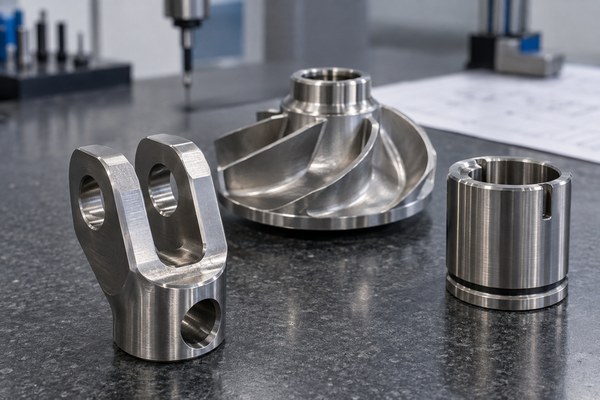
Strength can be enhanced through alloy design, cold working, heat treatment, or a combination of these methods. Martensitic grades achieve high strength and hardness through quenching and tempering. Duplex grades combine austenitic and ferritic phases, often providing approximately twice the annealed strength of conventional austenitic stainless steels. Precipitation-hardening grades develop their strength through aging treatments. A prominent example is 17-4 PH, which offers high strength, good corrosion resistance, and dimensional stability, making it well suited for shafts, valves, aerospace hardware, and precision-engineered components.
Which High Strength Stainless Steel Grades Fit Common Engineering Jobs?
The right grade follows the operating environment and the manufacturing route.
17-4 PH: This precipitation hardening grade offers a useful balance of strength, corrosion resistance, and dimensional stability after heat treatment. It is often selected for structural fittings, pump components, and precision machined parts.
15-5 PH: This grade is used where a more uniform property profile is desirable in thick sections or aerospace style components.
2205 duplex: Duplex stainless steel suits chloride exposed equipment because it pairs elevated strength with strong resistance to stress corrosion cracking.
410 and 420: Martensitic grades are practical when hardness and wear resistance matter more than severe corrosion resistance, such as cutting tools, valve trims, and wear parts.
Super duplex grades: These grades are intended for aggressive seawater, oil and gas, and chemical processing service, but their material and machining costs are higher.
This comparison is important because corrosion resistance cannot be reduced to a single rating. Stainless steel depends on a passive chromium oxide film for protection, while alloying elements such as molybdenum and nitrogen can further improve resistance to pitting and crevice corrosion in chloride-containing environments. Material selection must therefore consider the specific service conditions—including chloride concentration, temperature, pH, and exposure—as carefully as the mechanical load requirements.
What Actually Drives the Grade Decision?
High strength stainless steel should be specified from the part function, not from a strength number alone.
Static and fatigue load: Use yield strength, fatigue demand, and notch sensitivity to decide whether a duplex or PH grade is warranted.
Corrosion exposure: Chlorides, acids, salt spray, and elevated temperature can rule out grades that look adequate in dry indoor service.
Heat treatment route: A part that needs 17-4 PH should reserve final dimensions for the stage that best controls distortion.
Joining requirements: Welded assemblies may favor grades with better weldability over the highest available hardness.
Machining plan: Work hardening makes many stainless steels unforgiving when feeds are too light or tools dwell.
For complex stainless components, PCBgogo's CNC machining service covers stainless steel and other engineering metals with CNC milling, turning, and drawing based DFM review. That makes early discussion of heat treatment allowance and inspection datums practical before cutting begins. PCBgogo CNC machining.
PCBgogo - Precision Custom CNC Machining
Save time and reduce costs with reliable CNC milling and turning. Get precision custom parts with tight tolerances, simplified sourcing, and consistent production quality.
Get a Free Quote >
How Should High Strength Stainless Steel Be Machined and Verified?
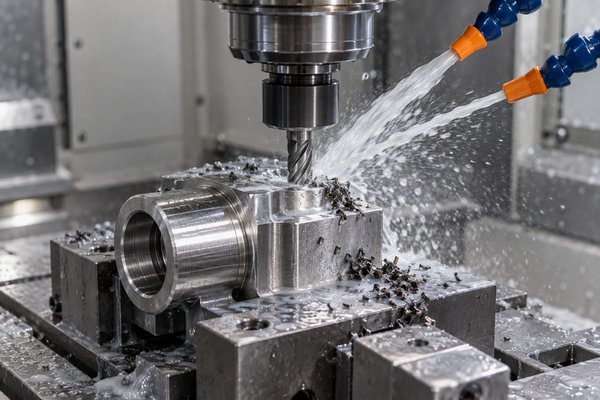
High strength stainless steel machining depends on maintaining a positive feed, a sharp tool edge, stable workholding, and enough coolant to control heat. A rubbing tool accelerates work hardening, especially in austenitic grades. Where bearing seats or sealing diameters require tight tolerance after hardening, finish grinding may be more appropriate than finish turning.
Standards form a stack rather than a single approval.
ASTM material specifications: Define chemical composition and mechanical requirements for the purchased product form.
ISO 9001: Defines a quality management system, not a specific alloy property.
ISO 4287: Defines surface texture terminology and measurement parameters such as Ra.
ISO 286: Provides the basis for ISO limits and fits for shafts and holes.
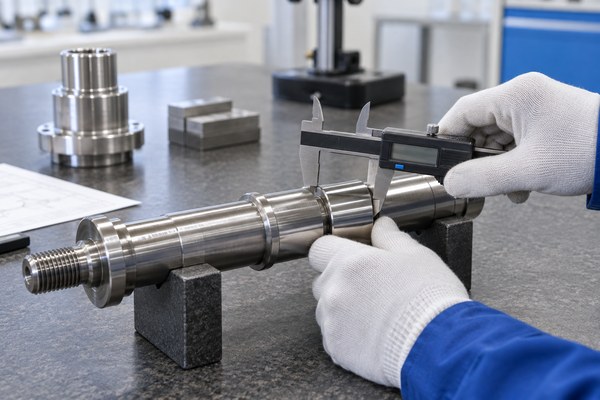
Certification confirms the documented scope, while the drawing, inspection plan, and material certificate still determine whether an individual part is acceptable.
What Problems Appear Most Often?
High strength stainless steel creates a practical tension between strength and manufacturability.
Work hardening: Light passes and tool dwell can harden the cut surface before the cutter removes it.
Heat treatment distortion: Asymmetrical sections can move after aging, quenching, or tempering.
Galling: Stainless threads and sliding surfaces may seize without correct lubrication or surface treatment.
Over specification: Selecting a premium grade where 316L or 1045 steel would perform adds cost without extending service life.
Where Is This CNC Approach Used?
Applications for high strength stainless steel differ by load, environment, and production quantity.
Aerospace fittings: Aerospace fittings use precipitation hardening, duplex, and martensitic stainless steels where geometry, service load, and production volume justify CNC processing. The drawing should isolate functional dimensions so inspection effort follows the part's real job.
Pump and valve components: Pump and valve components use precipitation hardening, duplex, and martensitic stainless steels where geometry, service load, and production volume justify CNC processing. The drawing should isolate functional dimensions so inspection effort follows the part's real job.
Marine hardware: Marine hardware use precipitation hardening, duplex, and martensitic stainless steels where geometry, service load, and production volume justify CNC processing. The drawing should isolate functional dimensions so inspection effort follows the part's real job.
Medical instrument parts: Medical instrument parts use precipitation hardening, duplex, and martensitic stainless steels where geometry, service load, and production volume justify CNC processing. The drawing should isolate functional dimensions so inspection effort follows the part's real job.
High load fasteners: High load fasteners use precipitation hardening, duplex, and martensitic stainless steels where geometry, service load, and production volume justify CNC processing. The drawing should isolate functional dimensions so inspection effort follows the part's real job.
What Should Engineers Compare Before Choosing?
The table compares practical options associated with high strength stainless steel.
| Option | Key characteristic | Machining or process | Typical use |
|---|---|---|---|
| 17-4 PH | High after aging | Good | Shafts and fittings |
| 15-5 PH | High and uniform | Good | Aerospace parts |
| 2205 duplex | High in annealed state | Very good | Marine equipment |
| 410 or 420 | Heat treatable | Moderate | Wear parts |
What Drives a Manufacturable Design?
A manufacturable high strength stainless steel specification connects function to process capability.
Functional requirement: Define what high strength stainless steel must achieve before selecting a grade, tool, or process. Load, motion, environment, and mating components should translate into measurable drawing requirements.
Material condition: Record the incoming and final condition of precipitation hardening, duplex, and martensitic stainless steels. Hardness and heat treatment can change cutting behavior, distortion risk, and the operation that should create the final dimension.
What Workflow Reduces Rework?
A reliable high strength stainless steel workflow closes decisions in a deliberate order.
Confirm the material specification and delivery condition for precipitation hardening, duplex, and martensitic stainless steels.
Mark load bearing sections, threads, bearing seats, and corrosion exposed surfaces as critical, reference, or general features on the drawing.
Choose a setup sequence for CNC milling, turning, heat treatment, and final grinding that preserves the same functional datums.
Review the main process risks, especially work hardening, galling, and heat treatment distortion, before approving the first article.
Define inspection records for material certificates, hardness results, critical dimensions, and surface finish and agree on sampling before production.
FAQs
What is the strongest stainless steel?
There is no universal strongest grade because tensile strength, yield strength, hardness, toughness, and corrosion performance differ. Precipitation hardening and martensitic grades are commonly chosen where high strength is required.
Is 17-4 PH stronger than 316 stainless steel?
Yes, properly age hardened 17-4 PH generally delivers much higher strength than annealed 316. Grade selection should still account for corrosion environment, weldability, and required toughness.
Is high strength stainless steel difficult to machine?
It can be. The main risks are work hardening, tool wear, heat buildup, and deformation after heat treatment.
High strength stainless steel is most effective when the alloy, heat treatment, and final tolerance are planned as one manufacturing system. Start with the real load and environment, then validate the machining route before releasing the drawing.