日本語
日本語
 한국어
한국어

How to Choose PCB Copper Thickness for Reliable Performance?
- pcb board copper thickness
- copper thickness on pcb
- thick copper pcb
- 1 oz copper thickness
- printed circuit board copper thickness
If you've ever had a PCB fail under load, traces burning out, signal integrity going haywire, there's a good chance copper thickness was the culprit. It's one of those specs that designers sometimes overlook until something goes wrong. So let's fix that.
Understanding PCB copper thickness isn't just for engineers deep in the weeds. Whether you're building a simple LED board or a high-current power delivery system, choosing the right copper weight directly affects your board's performance, cost, and reliability.
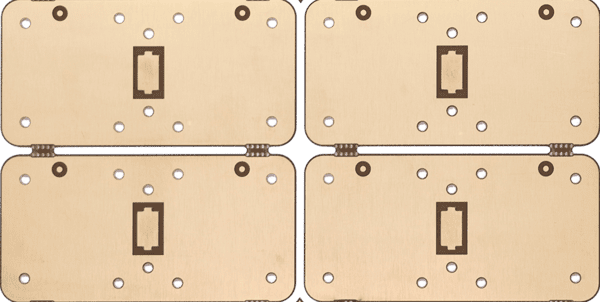
What Is PCB Copper Thickness?
Copper thickness on a PCB is measured in ounces per square foot (oz/ft2), which sounds a bit odd at first. Essentially, it refers to the weight of copper spread evenly over one square foot. That weight translates directly to a physical thickness.
The most common standard is 1 oz copper, which equals approximately 35 μm (1.4 mils) of thickness. This is the go-to for most general-purpose designs.
Here's a quick reference for the most common copper weights:
| Copper Weight | Thickness (μm) | Thickness (mils) | Typical Use Case |
|---|---|---|---|
| 0.5 oz | ~17.5 μm | ~0.7 mil | Fine-pitch signal layers, HDI boards |
| 1 oz | ~35 μm | 1.4 mils | General-purpose PCBs, most consumer electronics |
| 2 oz | ~70 μm | 2.8 mils | Moderate power circuits, industrial boards |
| 3 oz | ~105 μm | 4.2 mils | High-current applications |
| 4+ oz | 140 μm+ | 5.6 mils+ | Thick copper PCB for heavy power / busbars |
Why Does PCB Board Copper Thickness Matter?
Getting this spec right affects several critical aspects of your design:
1. Current Carrying Capacity
Thicker copper handles more current without excessive heat. A 1 oz trace at 100 mils wide can typically carry around 1–2 A before seeing significant temperature rise. Double the copper weight, and that capacity increases substantially.
2. Thermal Management
Copper is an excellent thermal conductor. Thicker layers help spread heat away from hot components — especially important in LED drivers, motor controllers, and power supplies.
3. Signal Integrity
Thinner copper is preferred for high-speed signals. It reduces parasitic inductance and helps maintain controlled impedance. For RF or high-frequency digital designs, 0.5 oz copper on signal layers is often the right call.
4. Mechanical Durability
Thicker copper traces are more robust during assembly, handling, and thermal cycling. This matters in automotive, aerospace, or industrial environments where boards face vibration and temperature swings.
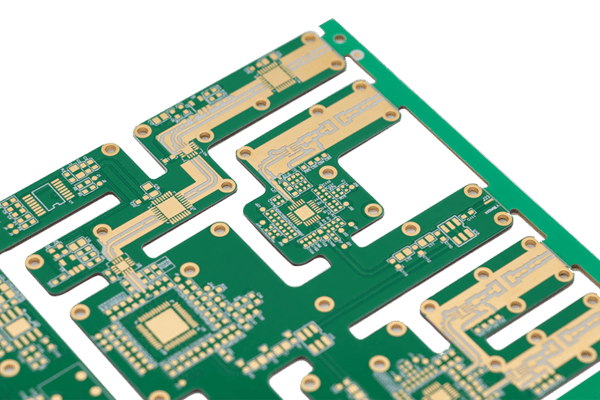
1 oz Copper Thickness: The Industry Default
The 1 oz copper thickness is the standard starting point for most PCB manufacturers — and for good reason. It balances cost, etching precision, and electrical performance well enough for the vast majority of designs.
Most fab houses, including PCBgogo, default to 1 oz copper on inner and outer layers for standard FR4 boards. It's widely supported, easy to manufacture, and keeps costs reasonable.
If your design has no unusual power or thermal requirements, 1 oz is almost always the right choice.
When to Consider Thick Copper PCB
Not every design can get away with 1 oz. Here are situations where you should seriously consider stepping up to 2 oz or higher:
· Power electronics: Motor drivers, inverters, DC-DC converters pushing 5 A or more
· EV and battery management systems: High-current paths that would require impractically wide traces at 1 oz
· LED lighting arrays: Heat dissipation becomes critical at high drive currents
· Automotive and industrial controls: Need robust traces that survive vibration and thermal cycling
For extreme cases — think power busbars or charging systems — thick copper PCB designs using 4 oz or even 6 oz copper are available from specialized manufacturers. Just note that heavier copper means more complex etching, tighter tolerances, and higher cost.
Printed Circuit Board Copper Thickness: Inner vs. Outer Layers
One thing that catches designers off guard: inner layers and outer layers often have different copper weights in multi-layer boards.
· Outer layers are typically 1 oz base copper, sometimes built up during plating to around 1.4–1.6 oz after the plating process.
· Inner layers are often specified separately and can be 0.5 oz or 1 oz depending on the stack-up requirements.
When ordering, always confirm whether the quoted copper weight refers to finished copper thickness or base copper — these aren't the same thing. A good fab will make this clear in their stack-up documentation.
How to Choose the Right Copper Thickness for Your Design
A few practical guidelines:
1. Start with your current requirements — calculate the trace widths needed at your target copper weight using IPC-2221 standards or a reliable trace width calculator.
2. Check your impedance requirements — controlled impedance designs often dictate specific copper weights to hit target values.
3. Consider your assembly process — very thick copper can affect solder paste volume and reflow profiles.
4. Talk to your manufacturer early — not all fabs support every copper weight. Confirm capabilities before finalizing your design.
Quick Summary
PCB copper thickness is a key design factor that directly influences current handling, thermal performance, signal integrity, and overall manufacturing cost. In most standard designs, 1 oz copper is a practical baseline. When circuits require higher current or better heat spreading, stepping up to 2 oz or heavier copper becomes necessary, while thinner copper is often preferred for high-speed signal layers where tighter control is needed.
For fabrication, it helps to choose a manufacturer that supports a wide range of copper weights and provides clear design feedback early in the process. PCBgogo offers copper options from 0.5 oz to heavy copper builds, along with online quoting and DFM review to help catch issues before production. This makes it easier to align stack-up decisions with both electrical and thermal requirements without unnecessary redesigns.
Upload your Gerber files now to get an instant quote and DFM feedback on your copper weight selection before you commit to production.
FAQ
Q: What is the standard copper thickness for a PCB?
The most common standard is 1 oz copper, which equals approximately 35 μm (1.4 mils). It suits the vast majority of general-purpose designs.
Q: When should I use 2 oz copper instead of 1 oz?
Use 2 oz when your traces need to carry more than ~2–3 A, or when thermal management is a concern. Power supplies, motor drivers, and LED lighting boards are typical candidates.
Q: Does copper thickness affect PCB cost?
Yes. Heavier copper requires more material and more complex processing, which increases cost. Thick copper PCBs (3 oz and above) can be significantly more expensive than standard 1 oz builds.
Q: Can I mix copper weights in a multi-layer board?
Yes — and it's actually common. Signal layers often use 0.5 oz or 1 oz copper, while power layers use 2 oz or heavier. Always specify per-layer requirements clearly in your fab notes.
Q: What's the difference between base copper and finished copper thickness?
Base copper is what's on the laminate before plating. After the electroplating process during PCB fabrication, the finished outer layer copper will be slightly thicker. Always confirm which value your manufacturer is quoting.