日本語
日本語
 한국어
한국어

How to Choose a PCB Manufacturer That Won't Fail You
QUICK ANSWER
Choosing a PCB manufacturer comes down to matching their verified capabilities (layer count, materials, tolerances) to your board's actual spec, confirming current certifications like ISO 9001, and checking whether they run DFM review and AOI/X-ray inspection before production starts. Compare responsiveness and file-format support too, not just the quoted price.
A board that looks fine on the datasheet can still come back from the wrong fabricator with drill breakout, mismatched copper weight, or a stackup nobody actually reviewed until it failed in assembly.
This guide walks through what to actually check before you commit an order, the manufacturer types worth telling apart, and the certifications and red flags that matter more than a quoted price.
What to Actually Check Before You Order
A PCB manufacturer's marketing page rarely tells you whether they can actually build your board, so the real evaluation happens further down, in the specifics.
Manufacturing capabilities matched to your spec: Don't just check whether a manufacturer claims to be "multilayer capable." Ask for their actual layer count ceiling, minimum trace and space, and whether they've fabricated blind or buried vias and laser-drilled microvias if your design needs them. A shop capable of 8 layers isn't automatically capable of a 20-layer HDI stackup with via-in-pad.
DFM review and inspection, not just a quote: A manufacturer that reviews your files for manufacturability before production, and inspects finished boards with AOI and X-ray, catches problems before they reach your bench instead of after.
File format compatibility: A fabricator that only accepts flattened Gerbers forces you to strip out the layer and net data that makes an accurate DFM check possible. Native support for the tool you actually designed in keeps that data intact.
Certifications that match your industry, not just a badge: ISO 9001 covers quality management broadly. IATF 16949 adds automotive-specific process control on top of it. If your board is going into a regulated end market, the general certification isn't a substitute for the industry-specific one.
Lead time you can verify, not just a marketed number: Ask what share of orders actually ship on the quoted date, and whether expedited options exist when a prototype iteration needs to move fast.
One vendor for fabrication and assembly, or two: Handing a board off between a fab house and a separate assembler creates a gap where DFM findings and assembly notes can get lost in translation. A single vendor covering both keeps that information in sync.
Once you know what to check, it helps to understand who you're actually checking, since not every company that quotes your board is the one that builds it.
Broker, Trading Company, or Real Factory? Why Ownership Matters
Not every company that quotes your PCB owns the equipment that fabricates it, and that distinction changes how much control you actually have over quality.
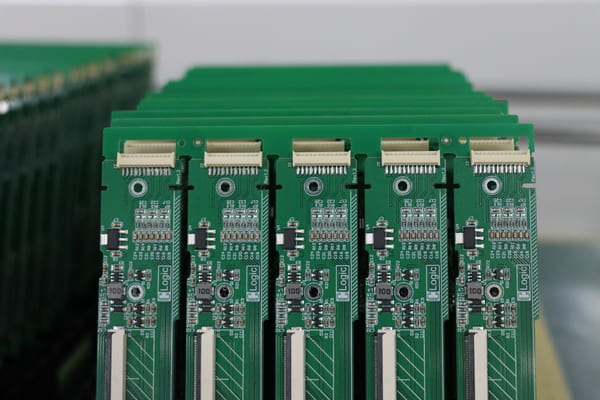
A trading company or broker takes your order and routes it to whichever factory has open capacity that week, which means the actual production line building your boards can change from order to order without you knowing. An in-house factory owns and operates its own equipment, so the same line, the same inspection process, and often the same engineers handle your reorder as your original prototype.
The table below compares what each type of manufacturer typically offers.
| Manufacturer Type | Who Controls the Line | Reorder Consistency | Typical Trade-off |
|---|---|---|---|
| In-house factory | Manufacturer owns and operates equipment directly | High: same line and inspection process each order | Often less aggressive on rock-bottom commodity pricing |
| Trading company/broker | Order routed to whichever factory has open capacity | Low: production source can change order to order | Can undercut on headline price by shopping capacity |
| Small job shop | Owner-operated, limited line capacity | Moderate, but constrained by capacity on larger jobs | Strong for small prototype runs, weaker scaling to volume |
Quality and Compliance Standards That Actually Matter
Standards aren't a single certification to check off. They're a stack, and each one covers a different piece of the manufacturing process.
ISO 9001 certifies the manufacturer's quality management system, covering process control and defect tracking across the whole operation, not just the board itself.
IATF 16949 layers automotive-specific process controls on top of ISO 9001, relevant if the board is going into a vehicle.
IPC-6012, the rigid PCB performance specification maintained by IPC, divides boards into three reliability classes: Class 1 for general electronics, Class 2 for dedicated-service electronics, and Class 3 for high-reliability boards where failure carries severe consequences.
RoHS restricts ten hazardous substances in the finished board, capping lead at 0.1% by weight and cadmium at 0.01%, regardless of where the board ships.
UL rates the base laminate material's flammability and electrical safety characteristics under standards like UL 94.
A certification confirms the manufacturer's process is audited and controlled. It doesn't guarantee your specific board was built correctly, which is why DFM review and inspection still matter on top of it.
Signs a Manufacturer Isn't Ready for Your Project
A handful of patterns show up consistently before a bad order, and they're worth watching for at the quoting stage.
No DFM feedback before production: If a quote comes back instantly with zero questions about your stackup or tolerances on a genuinely complex board, nobody actually reviewed the files.
Certifications you can't verify: A certification badge on a website with no certificate number or issuing body listed isn't the same as a certification you can confirm.
No path to a small trial order: A manufacturer unwilling to run a small batch before a large production commitment is asking you to absorb the quality risk upfront.
Vague answers about who builds the board: If a sales rep can't say clearly whether your order is fabricated in-house or outsourced, assume it's outsourced.
Lead time quotes with no accountability: A quoted date with no explanation of what happens if it slips is a marketing number, not a commitment.
Running your own project against these checks is the real work. Here's where PCBgogo lines up against them, for context.
How PCBgogo Matches the Checklist Above
Since capability matching, certifications, and the inspection process are the checks that matter most above, it's worth being specific about how PCBgogo covers each one.
Layer count and advanced structures: PCBgogo fabricates up to 40 layers and supports blind and buried vias, via-in-pad, and laser-drilled microvias for HDI stackups, built on Shengyi and Kingboard laminates.
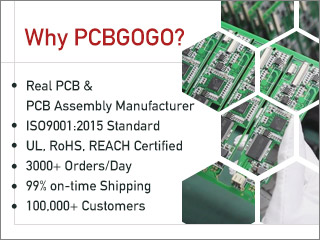
Certifications: IATF 16949, ISO 9001, RoHS, and UL certified.
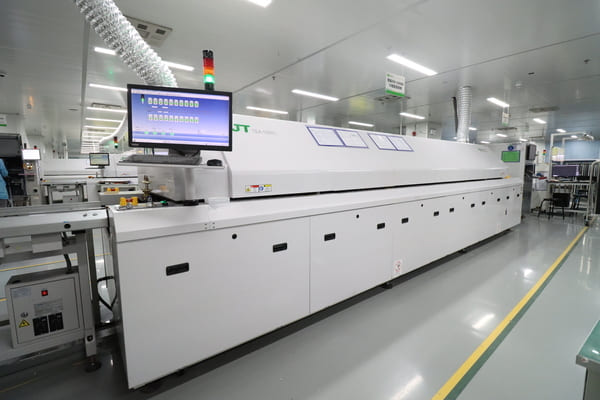
Inspection and DFM: every order goes through AOI and X-ray inspection along with a per-order DFM and engineer review before production starts.
File compatibility: native support for Eagle, Altium, and PADS files keeps layer and net data intact through the DFM check, instead of flattening it into Gerbers first.
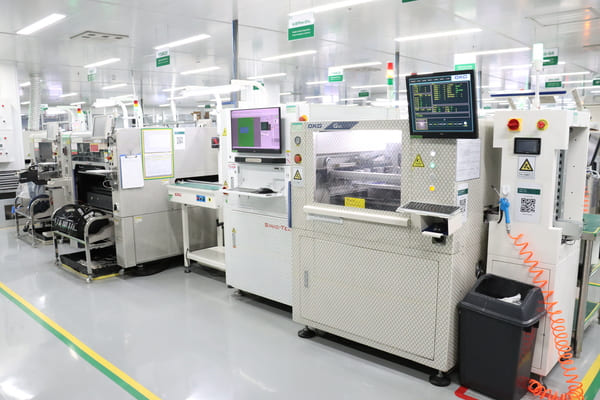
One-stop production: an in-house factory covering fabrication through assembly under one roof, with 24-hour expedited delivery available for time-sensitive orders.
For an exact turnaround and cost on a specific board, PCBgogo's online quoting tool gives a direct number to work from.
Frequently Asked Questions
How do I know if a PCB manufacturer can actually handle my layer count and materials?
Ask for their maximum layer count, minimum trace and space, and whether they've fabricated your specific via type (blind, buried, or via-in-pad) before, not just whether they claim to be "multilayer capable." A manufacturer that hesitates on specifics likely hasn't built a board like yours.
What's the difference between a broker and an in-house factory?
A broker routes your order to whichever factory has open capacity that week, so the actual production line can change between orders. An in-house factory uses the same equipment and inspection process every time, which makes reorders more consistent.
Which certifications should I actually look for?
ISO 9001 for general quality management, IATF 16949 if the board is going into automotive equipment, and RoHS and UL for material safety. Ask for certificate numbers you can verify rather than taking a badge at face value.
Why does DFM review matter when picking a manufacturer?
DFM review catches design issues, like tight tolerances or an unmanufacturable stackup, before production starts instead of after boards come back defective. A manufacturer that skips this step is shifting that risk onto you.
Does file format compatibility really affect quality?
Yes. Forcing a design into Gerber-only files can strip out layer and net data that makes an accurate DFM check possible, so native support for tools like Eagle, Altium, or PADS keeps that data intact.
Is the cheapest PCB manufacturer usually the right choice?
Not by itself. A low quote with no DFM review, unclear certifications, or no visibility into who actually builds the board often costs more in rework or delays than it saves upfront.
Conclusion
The manufacturers worth trusting are the ones that can answer specifics about your exact board, not just quote a price. Match their verified capabilities to your spec, confirm the certifications that matter for your industry, and don't skip the DFM step. From there, a quoting tool gives you the real number to compare.