日本語
日本語

Why Poor Solder Wetting Occurs in SMT Reflow Soldering: 5 Key Reasons and Prevention Skills
In the high-precision world of Surface Mount Technology (SMT), "wetting" is the cornerstone of a reliable solder joint. When molten solder fails to spread across a PCB pad or component lead, we call it poor solder wetting. This defect is more than a cosmetic flaw; it is a primary cause of cold joints, weak mechanical bonds, and intermittent electrical failures.
Understanding why wetting fails is essential for maintaining high yield rates. Here is a comprehensive breakdown of the factors that trigger poor wetting during reflow soldering.
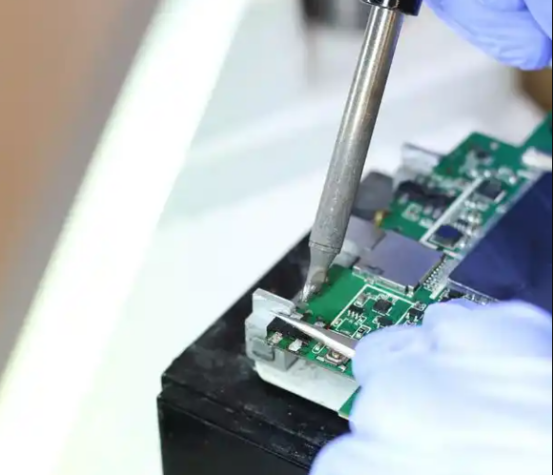
1. Material Factors: The Chemistry of the Joint
The interaction between the solder paste and the substrate surface finish is the first line of defense against defects.
Solder Alloy Composition: Silver-bearing alloys like SAC305 typically offer better wetting than silver-free alternatives. However, impurities in the solder or an incorrect silver-to-copper ratio can increase surface tension, preventing the solder from flowing smoothly.
Solder Paste Characteristics:
Particle Size: Inconsistent solder powder size can lead to uneven melting.
Flux Activity: If the flux in the paste is too weak or evaporates too quickly, it cannot remove the oxide layers required for a bond.
Viscosity: If the paste is too thick, it won’t spread. If the metal content is too low (below 60%), the joint will lack structural integrity.
Surface Finish Issues:
OSP (Organic Solderability Preservative): If the OSP layer is too thin or uneven, the copper underneath oxidizes before soldering begins.
ENIG (Electroless Nickel Immersion Gold): A nickel layer thicker than 3μm or "Black Pad" syndrome can cause brittle joints and poor adhesion.
HASL (Hot Air Solder Leveling): The HASL process for aluminum substrates may introduce impurities, affecting wettability.
2. Process Parameters: The Reflow Profile
The thermal profile of your reflow oven is the "recipe" for success. If the timing or temperature is off, the chemistry fails.
Preheat Phase: If the temperature rises too fast (>2-3°C/s), the flux may splatter or oxidize prematurely. Conversely, insufficient preheating leaves the solder "sluggish."
Peak Temperature: If the peak is too low (<245°C), the alloy won't fully liquefy. If it's too high (>260°C), you risk damaging the board and accelerating oxidation.
Nitrogen (N2) Protection: In high-density assemblies, using a nitrogen atmosphere reduces oxygen levels. If N2 flow is insufficient (less than 50L/min), SnO2 (Tin Oxide) forms rapidly, creating a barrier that blocks wetting.
3. PCB Design and Layout Considerations
Sometimes, the cause of poor wetting is baked into the design of the board itself.
Heat Sinks and Thermal Vias: Large copper planes or dense via-in-pads act as heat sinks. They "steal" heat away from the solder joint, causing the solder to solidify before it can fully wet the pad.
Pad Geometry: Pads that are too small or oddly shaped (like "dog-bone" designs) limit the area where solder can spread, often resulting in insufficient fillets.
Component Density: When components are placed too close together (under 0.3mm), they can create "shadowing" effects where heat doesn't reach certain pads evenly.
4. Environmental and Operational Factors
The SMT floor environment plays a silent but deadly role in soldering quality.
Humidity Control: Solder paste is hygroscopic (it absorbs water). If shop floor humidity exceeds 30-40% RH, moisture can cause "popcorning" or outgassing during reflow, leaving voids in the wet area.
Contamination: Fingerprint oils, dust, or leftover cleaning agents on the pads act as a hydrophobic barrier. Even a microscopic layer of oil can completely prevent a solder bond.
Paste Life: Once a stencil is loaded, the flux begins to degrade. Using paste that has been on the stencil for more than 4 hours often leads to significantly reduced wetting activity.
Real-World Case Studies
Case 1: BGA Voiding
Cause: Insufficient nitrogen flow in the reflow oven led to oxidation of the BGA balls.
Solution: Increased N2 flow to 80L/min and extended the soak time by 10 seconds to allow the flux more time to clean the surfaces.
Case 2: QFP Pin Non-Wetting
Cause: Inconsistent plating on the component leads (gold layer too thin).
Solution: Switched to OSP-treated leads or NiPdAu (Nickel Palladium Gold) plating to ensure a more stable soldering surface.
Prevention and Quality Control
To minimize wetting issues, implement a multi-layered inspection strategy:
AOI (Automated Optical Inspection): To check for solder fillet curvature and brightness.
X-Ray Inspection: To look inside BGA joints for hidden non-wetting or "head-in-pillow" defects.
SOP & SPC: Maintain strict Standard Operating Procedures for paste handling and use Statistical Process Control to monitor reflow oven stability.
By systematically addressing material selection, oven profiling, and environmental variables, you can achieve near-perfect soldering results. For high-quality PCB manufacturing and assembly that prioritizes soldering integrity, consider partnering with an industry leader like PCBGOGO. We provide professional SMT services with strict quality control to ensure your boards are free from wetting defects.