日本語
日本語

The Definitive Guide to SMT Solder Paste: Types and How to Choose
In modern electronics manufacturing, SMT Solder Paste is the foundational material enabling reliable Surface Mount Technology (SMT) assembly. This sophisticated mixture of metal alloy powder and chemical flux creates the critical solder joints that provide mechanical strength and electrical connectivity for tiny electronic components on a Printed Circuit Board (PCB). Understanding its types and selection criteria is essential for achieving high production yields and long-term product reliability. This comprehensive guide details the composition, classification (by alloy, flux, and particle size), and practical steps for choosing the best solder paste for your specific needs.
What is SMT Solder Paste? The Foundation of Surface Mount Technology
SMT Solder Paste (often simply called Solder Paste or Tin Paste) is arguably the most critical material in Surface Mount Technology (SMT) assembly. It is a viscous, homogeneous mixture of spherical metal alloy powder and a specialized chemical blend called flux.
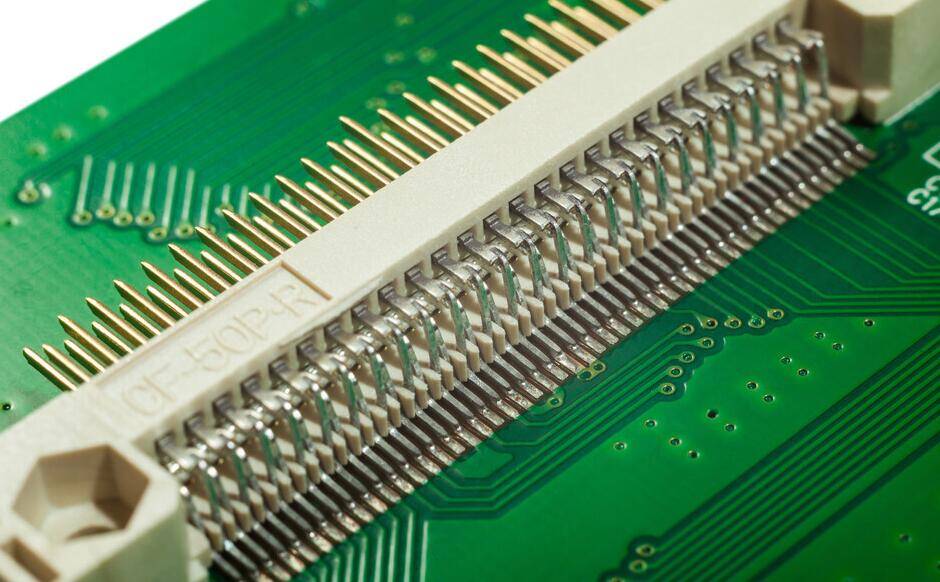
Applied precisely to the PCB (Printed Circuit Board) pads using a solder paste stencil or dispenser, the paste temporarily holds surface mount devices (SMD components) in place. During the subsequent reflow soldering process, the solder powder melts, the flux is activated to clean the surfaces, and the molten metal forms robust, permanent solder joints that ensure both mechanical and electrical connectivity.
Key Components of Solder Paste
SMT solder paste consists of two primary parts, quantified by weight and volume:
Solder Powder: Typically accounts for 85% to 92% of the paste's weight. It is composed of the solder alloy, such as the industry-standard SAC305 (Sn96.5/Ag3.0/Cu0.5) for lead-free applications, or traditional Sn63/Pb37.
Flux: A chemical agent that makes up the remaining 8% to 15% by weight. Its vital functions include:
Oxide Removal: Chemically cleaning the metal surfaces of the PCB pad and component leads.
Preventing Re-oxidation: Shielding the surfaces during the high-temperature reflow cycle.
Providing Tack: Offering temporary adhesive strength to hold components before reflow.
SMT Solder Paste Types and Classification: Alloy, Flux, and Particle Size
Choosing the Right Solder Paste is fundamental for a fluent SMT Assembly process. It requires understanding the various classification systems based on three main criteria.
1. Classification by Solder Alloy Composition
The alloy dictates the melting point and mechanical strength of the final solder joint.
|
Category |
Typical Alloy |
Melting Point (°C) |
Application / Compliance |
|
Lead-Free Solder Paste |
SAC305 (Sn-Ag-Cu) |
217°C |
Global industry standard, RoHS-compliant. |
|
Low-Temperature Solder (LTS) |
Sn-Bi (e.g., Sn42/Bi58) |
138°C |
Used for heat-sensitive components (LEDs, connectors), flexible PCBs. |
|
Leaded Solder Paste |
Sn63/Pb37 |
183°C |
Legacy products, specific high-reliability applications (military/aerospace exemptions). |
2. Classification by Flux Type (Residue Handling)
The flux type determines the post-reflow cleaning requirements.
No-Clean Solder Paste (NC): The most common type. Its residues are non-corrosive, non-conductive, and generally safe to leave on the board, eliminating the costly and time-consuming cleaning step. Ideal for consumer electronics.
Water-Soluble Solder Paste (WS): Highly active flux that provides superior wetting, especially on heavily oxidized surfaces. Requires a mandatory wash process using deionized water after reflow to remove corrosive residues.
Rosin-Based/RMA (Rosin Mildly Activated): Requires cleaning with solvent-based cleaners. Less common in modern mass production but sometimes used for specialized assemblies.
3. Classification by Powder Particle Size (IPC J-STD-005)
The particle size directly impacts print resolution and is crucial for fine-pitch and ultra-fine-pitch (UFP) printing.
|
Type (T) |
Particle Size (μm) |
Typical SMT Application |
|
Type 3 (T3) |
25-45 |
Standard components, $0.5mm pitch and larger. |
|
Type 4 (T4) |
20-38 |
Fine-pitch components, $0.4mm pitch, BGA. |
|
Type 5 (T5) |
15-25 |
Ultra-Fine Pitch (UFP), $0.3mm pitch and smaller, Micro BGA. |
Rule of Thumb: To prevent stencil aperture clogging and ensure good transfer efficiency, the smallest stencil aperture dimension should be at least 5 times the diameter of the largest solder particle in the paste (the "5-Ball Rule").
How to Choose the Right Solder Paste for SMT Assembly?
Selecting the Best Solder Paste for SMT involves a systematic evaluation of your product requirements, process capabilities, and cost constraints.
|
Selection Factor |
Primary Consideration |
Impact on Solder Paste Choice |
|
Product Reliability |
End-use environment (Automotive, Medical, Consumer). |
High-reliability parts demand superior alloys (e.g., specific SAC variants) and often mandate water-soluble flux for thorough residue removal. |
|
Component Pitch / Size |
Smallest component size (e.g., 01005) or tightest pitch (e.g., 0.3mm). |
Requires a smaller particle size (T4 or T5) for high-resolution printing and to minimize solder balling defects. |
|
Heat Sensitivity |
Presence of plastic connectors, LEDs, or other low-temperature-tolerant devices. |
Necessitates the use of Low-Temperature Solder Paste (LTS) to maintain a peak reflow temperature below 180°C. |
|
Cleaning Capability |
Availability of specialized cleaning equipment and chemicals. |
Choose No-Clean paste if post-reflow washing is not feasible. Choose Water-Soluble paste if the highest cleanliness is required. |
|
Reflow Profile |
Temperature capacity of the PCB and components. |
The alloy's melting point must be compatible with the safe reflow temperature window of the most sensitive component. |
Key Performance Characteristics for SMT Solder Paste
The quality of the solder paste is measured by its performance in the printing and reflow processes:
Viscosity: The paste's resistance to flow. Optimized viscosity is essential for consistent stencil printing (usually $600-1000 ) and good slump control.
Tack Time/Life: The duration the paste maintains its stickiness after printing, allowing for component placement. A longer tack life reduces defects during high-volume pick-and-place operations.
Slump Resistance: The ability of the printed paste deposit to maintain its shape without spreading (cold slump) or during the initial preheat phase of reflow (hot slump). Good slump resistance prevents solder bridging (shorts).
Wetting Performance: The ability of the molten solder to flow evenly and form a low contact angle on the metallic surfaces. Superior wetting ensures strong, shiny, and reliable solder joints.
Voiding: The formation of gas bubbles or voids within the solidified solder joint. High voiding is a critical defect for power devices (e.g., IGBTs) as it compromises thermal dissipation and joint strength. Specialized low-voiding solder paste formulations are used for these applications.
Industry Trends: High-Reliability and Low-Temperature Soldering
The SMT industry is constantly evolving, driven by miniaturization and higher reliability demands:
Reliability Alloys: Alloys with enhanced performance under extreme thermal cycling and drop shock, such as proprietary high-reliability (REL) alloys, are emerging as alternatives to standard SAC305 for automotive and industrial markets.
Ultra-Fine Particle Paste (T5/T6): The shift to 01005 and smaller package sizes is accelerating the adoption of T5 and even T6 particle size solder pastes to achieve the required print resolution.
Jet Printing: As an alternative to traditional stencil printing, solder paste jet printing is gaining traction for high-mix, low-volume (HMLV) production and advanced packaging, as it eliminates the need for a physical stencil.
By carefully matching the solder paste's alloy, flux, and particle size to the specific product design and manufacturing process, companies can achieve maximum assembly yield and long-term product reliability.
Key Takeaways
The landscape of SMT solder paste is continually evolving, driven by the demands for greater miniaturization and enhanced reliability. When navigating the complexities of solder paste selection and the rigorous demands of modern SMT assembly, partnering with a reliable manufacturing house is crucial.
PCBGOGO specializes in delivering high-quality PCB fabrication and turnkey SMT assembly services that utilize optimized, industry-leading solder pastes (such as SAC305 No-Clean) and state-of-the-art stencil printing technology. This ensures that your products benefit from precise solder application, minimal voiding, and high-reliability solder joints.