日本語
日本語

Solder Paste Inspection (SPI): How It Works, Why It Matters & When to Use It
In modern SMT production, solder paste inspection (SPI) has become one of the most important steps for ensuring high-quality PCB assembly. As components shrink and PCB density increases, even tiny variations in solder paste height or volume can lead to defects such as bridging, insufficient solder, or tombstoning. SPI helps manufacturers catch these issues immediately after printing—before components are placed—dramatically reducing rework and improving overall yield. This guide explains how SPI works, why it is essential, and when your manufacturing process needs it most.
What Is Solder Paste Inspection (SPI)?
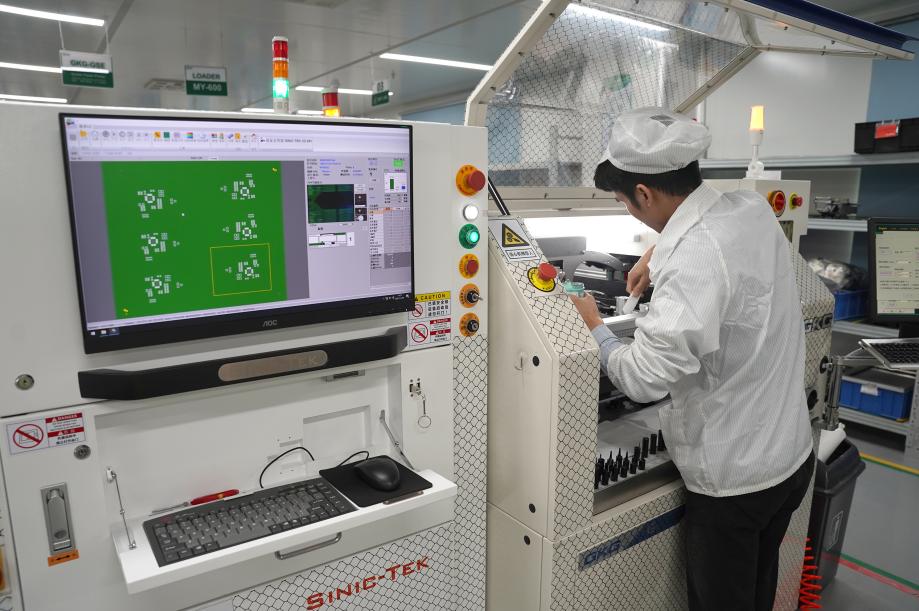
Solder Paste Inspection (SPI) is a metrology process used in SMT assembly to measure and evaluate solder paste deposits on a printed circuit board (PCB) after stencil printing.
It checks whether each pad receives the correct volume, height, area, and alignment of solder paste.
Traditional manual inspection cannot accurately detect micro-level solder variations, especially on today’s 0.4 mm pitch BGAs, 01005 passives, and fine-pitch QFNs. SPI provides automated, high-precision measurement to ensure stable assembly quality.
Why Solder Paste Inspection Matters
1. Prevents 60–80% of SMT Assembly Defects
Industry data shows that most SMT-related failures originate from poor solder paste printing—not placement, reflow, or components.
Common printing defects include:
Insufficient paste
Excess solder volume
Bridging
Paste offset
Slumping or deformation
Stencil blockage
SPI catches these errors early, preventing downstream defects that are more costly to repair.
2. Enables Closed-Loop Process Control
Modern SMT lines use SPI data to automatically adjust stencil printer settings.
This includes:
Squeegee pressure
Printing speed
Stencil cleaning frequency
Alignment offsets
Closed-loop feedback ensures consistent print quality, even during long production runs.
3. Improves Yield, Reduces Rework & Enhances Reliability
By identifying issues before component placement, SPI significantly reduces:
Rework time
Inspection labor
Scrap rates
Field failures
This translates into lower manufacturing costs and more reliable boards.
How Solder Paste Inspection Works
1. 3D Optical Measurement
Most modern SPI machines use 3D optical profilometry to scan solder paste deposits. A structured light or Moiré fringe pattern is projected onto the PCB surface, and cameras capture variations in height.
Measured parameters include:
Height (Z-axis)
Volume (total solder quantity)
Area (2D footprint)
Offset (position accuracy)
3D SPI offers superior accuracy compared to legacy 2D systems, especially for high-density PCBs.
2. Image Processing & Defect Classification
The machine compares measurements against predefined tolerances.
Typical defect categories include:
Height too low / too high
Volume shortage or excess
Area shrink/expansion
Misalignment
Insufficient or bridging solder
SPI systems also provide real-time SPC (statistical process control) charts to monitor stability.
3. Real-Time Feedback to the Printer
Advanced SPI integrates seamlessly with the stencil printer. When the system detects a trend—such as paste thinning or stencil clogging—it triggers an automatic correction:
Printing offset compensation
Automatic stencil wiping
Pressure and speed adjustment
This automation reduces operator workload and improves consistency across batches.
When Should You Use Solder Paste Inspection?
When producing high-density or fine-pitch PCBs
SPI is essential for:
BGA / uBGA / CSP
QFN
Fine-pitch QFP
01005 / 0201 components
These packages require extremely precise solder volume and alignment.
When yield or rework costs are high
If you experience issues like bridging, tombstoning, or insufficient solder joints, SPI helps pinpoint root causes immediately after printing.
When scaling to medium/high-volume production
SPI provides consistency and stability during continuous production, especially for:
Consumer electronics
Automotive electronics
Medical devices
Industrial control PCBs
When implementing smart manufacturing or Industry 4.0
SPI is the foundation of data-driven SMT process control.
It enables:
Automated trend detection
Predictive maintenance for stencil printers
Quality traceability
IoT-based factory analytics
Conclusion: Why SPI Matters—and Why PCBGOGO Delivers It Right
As PCB designs move toward finer pitch, higher density, and stricter reliability requirements, solder paste inspection (SPI) has become essential for any manufacturer aiming for stable, high-yield SMT production. With accurate 3D measurement, real-time process feedback, and powerful defect prevention capabilities, SPI ensures every PCB starts with a perfect foundation right from the printing stage.
If you're looking for a manufacturing partner that combines high-end SPI inspection, strict process control, and professional SMT assembly, PCBGOGO is ready to support your project from design to production. Get an instant quote or upload your PCB/PCBA files at PCBGOGO to start your next build with confidence.