日本語
日本語
 한국어
한국어

SMT Assembly Cost Breakdown: What Really Determines Your PCB Assembly Price
Understanding the cost structure of Surface Mount Technology (SMT) assembly is critical for any electronics designer, engineer, or business owner. The difference between a well-budgeted project and a costly overrun often lies in knowing what drives the SMT assembly price and how to get a low cost SMT assembly without compromising quality. This guide will break down the key factors influencing your printed circuit board (PCB) assembly bill.
1. Why Understanding SMT Assembly Costs Matters
SMT assembly is the process of mounting electronic components directly onto the surface of a PCB. It's the dominant method in modern electronics manufacturing due to its ability to create dense, small, and high-performing devices. While SMT offers significant cost savings over older through-hole technology in high volumes, the overall SMT assembly cost isn't just about component price. A complete understanding helps you:
Optimize Your Design: Make choices (e.g., component size, board density) that reduce the manufacturing cost before production even starts.
Negotiate Better Quotes: Know what you're paying for and challenge unnecessarily high fees.
Improve Time-to-Market: Avoid delays caused by unexpected budget constraints.
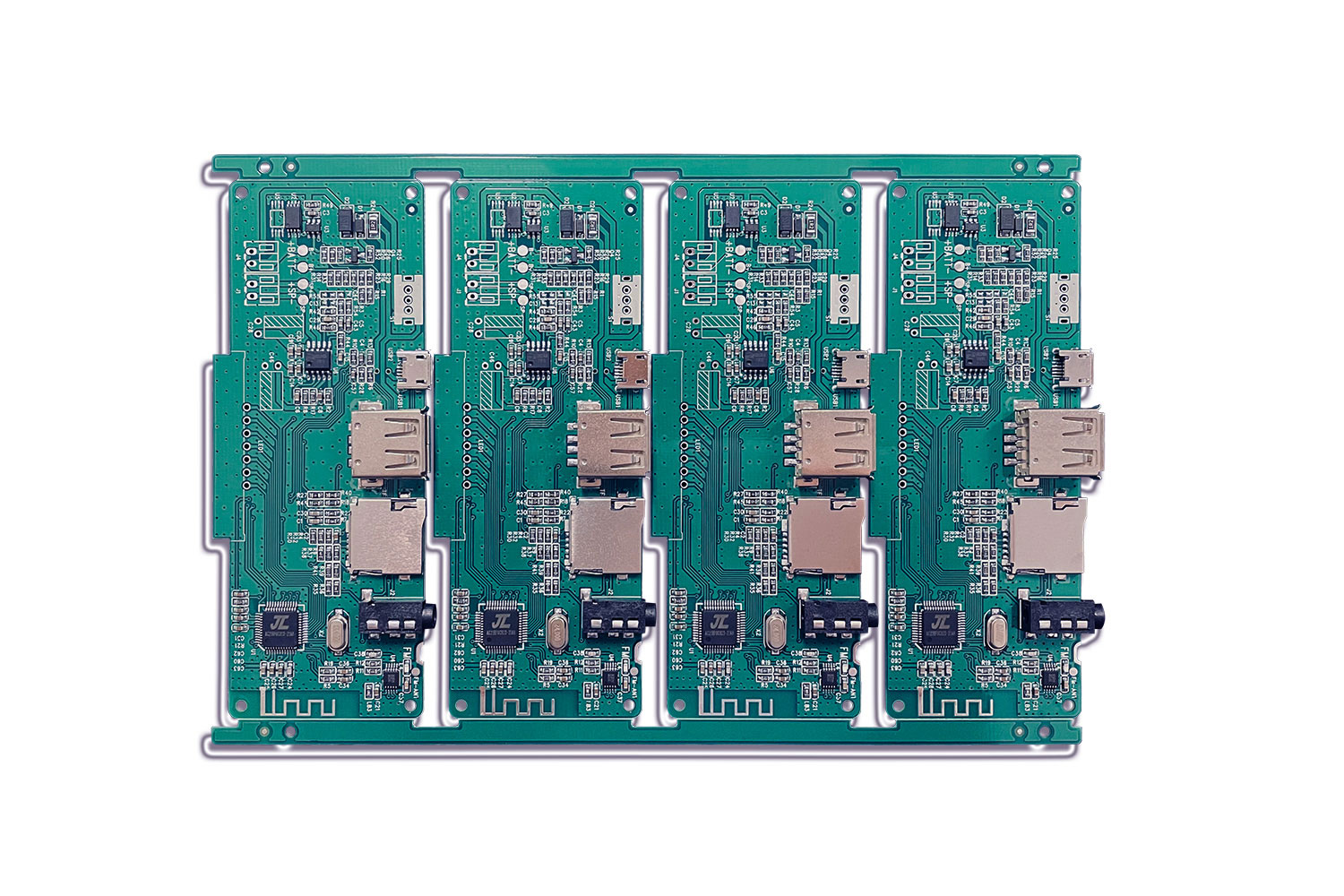
2. Major Cost Components in SMT Assembly (The Core Breakdown)
The total SMT assembly cost is essentially the sum of all resources consumed during the manufacturing process.
3. What Drives SMT Assembly Costs Up or Down?
Several design and production choices directly impact whether you achieve a cheap price SMT assembly or an expensive one.
Upward Drivers
Low Production Volume: For small runs (e.g., prototypes, 1-100 units), the fixed NRE/Setup costs are spread across fewer boards, leading to a much higher per-unit cost.
High Component Density: Packing many components close together requires extremely high-precision placement and increases the risk of defects, slowing down the SMT assembly line and increasing setup/inspection time.
Complex PCB Design: High layer counts (e.g., 6, 8, or 10 layers), fine-pitch components (like Ball Grid Arrays or BGAs), and tight tolerance requirements demand specialized materials and advanced, slower manufacturing processes.
High-Cost Components: Specialized, hard-to-source, or large-package components (e.g., expensive microprocessors, custom connectors) drive up the BOM cost.
Rigorous Testing: Mandatory functional or in-circuit testing adds time and expertise, increasing the final bill.
Downward Drivers
High Production Volume (Economy of Scale): This is the most significant driver for a low price SMT assembly. The fixed NRE costs are amortized over thousands of units.
Simple, Low-Layer PCB: Using a standard 2- or 4-layer FR-4 board reduces material and fabrication complexity.
Standard Component Sizes: Using commonly available, mid-size components (e.g., 0402, 0603, 0805) instead of extremely small (0201, 01005) or large ones minimizes handling and wastage issues.
Using Standardized Procedures: Avoiding non-standard materials or unique process steps keeps labor and equipment costs low.
4. Sample Cost Breakdown Table
The following is a simplified example for an order of 1,000 boards with 500 SMT pads/components per board.
5. How to Estimate Your SMT Assembly Cost Accurately
A precise cost estimate is built on a step-by-step analysis of your design.
Bill of Materials (BOM) Analysis (The Component Cost):
List every single part with its quantity, part number, and price. This is your primary material cost.
Tip: Always account for component overage (spares) as pick-and-place machines require extra parts, especially for smaller sizes like 0201.
PCB Fabrication Cost Assessment:
Obtain quotes for the bare board based on your size, layer count, and material needs.
SMT Assembly Processing Cost:
Determine the assembly provider's pricing model: Per-Pad Cost or Per-Component Cost.
Calculate: Number of Pads/Components × Cost per Pad/Component.
Setup/NRE Cost Application:
Determine all one-time fees (stencil, programming). For a high-volume order, divide these fixed costs by your total quantity to get the per-unit NRE.
Calculate Total SMT Assembly Cost:
Total SMT Cost = Cost of PCB + Cost of Components + Setup Cost + Assembly Process Cost + Other Costs
By meticulously tracking these factors, you can accurately budget your project and work toward securing the most cost-effective SMT assembly solution available.
6. Summary
Understanding the full SMT assembly cost breakdown—from BOM materials and PCB fabrication to setup fees, assembly labor, and quality testing—gives you the power to make smarter design decisions and avoid unexpected expenses. By knowing what drives costs up or down, you can optimize your PCB design early, choose the right components, and plan for a manufacturing process that balances performance, reliability, and budget. If you want transparent pricing, fast quoting, and professional SMT assembly support, PCBGOGO offers cost-effective solutions with one-stop PCB fabrication and assembly services, making it easier to keep your project on schedule and within budget.