日本語
日本語
 한국어
한국어

PCBA Test Strategy: How are Functional Testing and ICT Performed?
In the intricate world of electronics manufacturing, achieving product reliability is non-negotiable. A robust PCBA Test Strategy serves as the quality blueprint, ensuring every Printed Circuit Board Assembly (PCBA) not only meets structural standards but also performs flawlessly under operational conditions. This strategic approach hinges primarily on two complementary methodologies: In-Circuit Testing (ICT) and Functional Circuit Testing (FCT). Understanding how these tests are technically executed is key to maximizing manufacturing yield and minimizing costly defects.
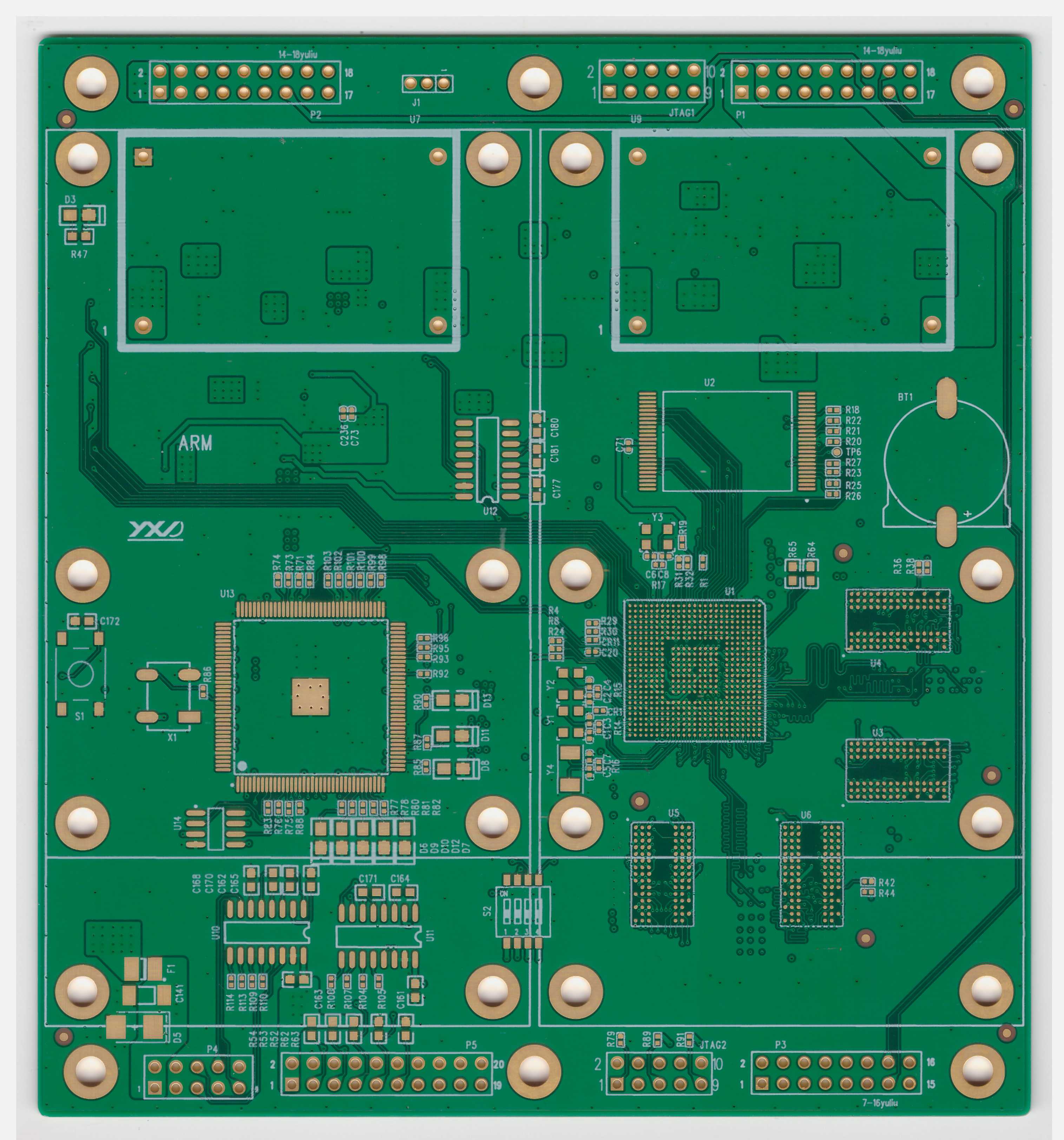
In-Circuit Testing (ICT): Pinpointing Assembly Defects
ICT is a powerful manufacturing defect analysis tool designed to verify the structural integrity and basic electrical functionality of the assembled board. It is typically performed immediately after the Surface Mount Technology (SMT) and/or Through-Hole Technology (THT) assembly processes.
How ICT is Performed (The "Bed-of-Nails" Approach):
Fixture Design: A custom, often pneumatically or vacuum-operated, fixture (or "bed-of-nails") is designed based on the PCB layout. This fixture contains an array of spring-loaded probes that align precisely with designated test points (pads) on the PCBA.
Contact and Measurement: Once the PCBA is pressed onto the fixture, the probes make electrical contact with the target test points.
Sequential Testing: The ICT machine systematically applies stimuli and takes measurements across the board's nodes. The test sequence typically includes:
Continuity and Isolation Tests: Rapidly checks for shorts (solder bridges) and opens (broken traces or missing components).
Passive Component Measurement: Measures the resistance ($R$), capacitance ($C$), and inductance ($L$) values of components to confirm they fall within design tolerances.
Active Component Verification: Checks the function and correct orientation of diodes, transistors, and confirms the integrity of integrated circuits (ICs) using techniques like guard probing.
ICT excels at isolating manufacturing faults like wrong components, missing parts, and soldering issues, providing rapid fault diagnosis and clear repair instructions.
Functional Circuit Testing (FCT): Validating Operational Performance
Functional Circuit Test (FCT) is the final, comprehensive performance validation. It simulates the actual operating environment of the finished product, confirming the PCBA's capability to execute its intended function after the critical firmware has been installed.
How FCT is Performed (The Simulation Approach):
Firmware Integration:
The essential first step is the In-System Programming (ISP) or flashing of the finalized software or firmware onto the board's memory components (e.g., microcontrollers, flash chips).
Test Fixture and Interface:
Similar to ICT, a test jig or fixture is used, but it focuses on interfacing with the board's power connectors, input/output (I/O) ports, and communication interfaces (e.g., USB, Ethernet, RF antennas).
Environment Simulation:
The test environment simulates real-world conditions. This includes:
Power Supply Checks: Verifying voltage regulation, current draw, and power-up/power-down sequences.
Input Simulation: Using external instruments or test cards to simulate inputs from sensors, buttons, or communication signals.
Output Validation: Measuring and verifying the board's responses, such as digital output states, analog signal integrity, or data transmission speeds. For example, testing if a communication module sends data correctly.
Go/No-Go Decision:
The FCT is typically designed to provide a simple pass/fail result, certifying that the PCBA is fully operational and adheres to all design specifications.
FCT is crucial because it catches functional failures that ICT cannot, such as timing issues, software bugs, and interaction faults between components.
Conclusion
A successful PCBA Test Strategy dictates that these two methodologies work in synergy. ICT provides the foundational layer of quality, quickly screening out structural manufacturing defects, allowing FCT to focus efficiently on the final, complex functional validation. This tiered approach—from structural verification to behavioral testing—is the gold standard for producing reliable electronics. For clients demanding uncompromising quality in their electronic assemblies, PCBGOGO offers full-spectrum PCBA services. Our advanced SMT lines are integrated with both high-coverage ICT and customizable FCT solutions, ensuring every board we deliver meets stringent performance criteria. Partner with PCBGOGO to implement a robust PCBA Test Strategy that guarantees reliability and speed to market.