日本語
日本語
 한국어
한국어

Lead Free Wave Soldering Temperature: Complete Process Guide and Best Practices
Lead free wave soldering temperature control is one of the most critical factors affecting solder joint quality, PCB reliability, and overall production yield. Unlike traditional tin-lead processes, lead-free wave soldering requires higher thermal profiles and stricter process control across the preheating, soldering, and cooling stages.
This article provides a detailed, process-oriented breakdown of lead free wave soldering temperature settings, including recommended ranges, ramp rates, and practical considerations for stable, high-quality through-hole soldering.
I. Preheating Zone Temperature
1. Temperature Range: The temperature in the preheating zone is usually set between 90℃ and 120℃.
2. Preheating Time: The recommended preheating time is between 80 seconds and 150 seconds, generally around 120 seconds.
3. Heating Rate: The heating rate should be less than or equal to 5℃/s to ensure that the PCB board is heated evenly during the preheating process and to avoid localized overheating.
4. Preheating Process: The temperature should gradually increase from a low temperature of 80℃ to a high temperature below 130℃. It takes 5-10 minutes from power-on preheating to reaching the ideal temperature. The preheating temperature of the PCB board should be controlled below 180℃ to prevent damage to the PCB board during the preheating process.
II. Soldering Zone Temperature
1. Soldering Temperature: Soldering temperature is a critical parameter, generally set within the range of 245℃±10℃. This temperature range ensures that the solder joints are fully melted, forming a strong connection.
2. Optimal Solder Pot Temperature: The optimal temperature of the solder pot is set between 250℃ and 265℃ to ensure the fluidity of the solder and the quality of the solder joints.
3. Heating Rate: The heating rate in the soldering zone should be controlled at 1-3℃/s to avoid thermal shock to components due to rapid temperature changes during the soldering process.
4. Temperature between CHIP and WAVE: The temperature should be above 180℃ to ensure heat transfer and solder joint formation during the soldering process.
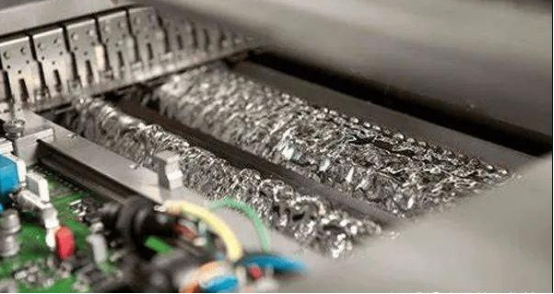
III. Cooling Zone Temperature
1. Cooling Rate: The cooling rate in the cooling zone is set according to the cooling system, generally maintained at 5-12℃/s. This cooling rate helps the solder joints cool quickly and improves soldering quality.
2. Temperature of the PCB Board at the Cooling Outlet: The temperature of the PCB board at the cooling outlet should preferably be below 100℃ to prevent damage to the PCB board due to excessive temperature during the cooling process.
IV. Precautions
1. Setting the Temperature Curve: The temperature curve should be set based on the temperature, time, and other performance data provided by the PCB board, solder bar, and flux suppliers, combined with the wave soldering process of the actual product being manufactured.
2. Temperature Control Accuracy: The difference between the actual temperature and the displayed temperature should be controlled within 5℃ (the difference should not exceed 10℃ when using fixtures). If the temperature exceeds this range, adjustments should be made promptly or the equipment engineer should be notified for inspection.
3. Modification of Temperature Curve: Do not arbitrarily modify the already set temperature curve. Adjustments to important parameters require confirmation from the equipment engineer and proper documentation before use.
4. Furnace Temperature Curve Measurement: The furnace temperature curve must be measured before production or line change for each model to ensure that the temperature control during the welding process meets the requirements.
Summary
Effective control of lead free wave soldering temperature is the foundation of reliable through-hole PCB assembly. By maintaining stable preheating, an optimized solder pot temperature, and controlled cooling rates, manufacturers can significantly reduce defects such as solder bridging, icicles, and insufficient hole fill. PCBGOGO specializes in high-quality SMT and through-hole assembly, utilizing state-of-the-art wave soldering equipment and rigorous thermal analysis to ensure the durability and reliability of your lead-free products.