日本語
日本語
 한국어
한국어

Laser Cut Stencil, Etched, and Electroformed—Which One Wins?
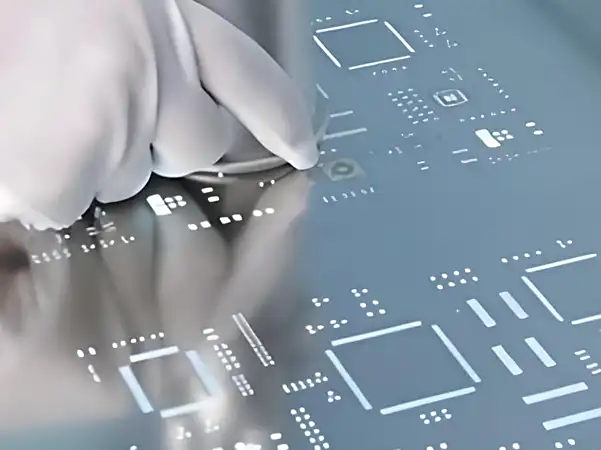
In the precise world of printed circuit board (PCB) assembly, successful Surface Mount Technology (SMT) hinges on one unassuming but critical component: the stencil. This thin metal sheet is the gatekeeper of quality, controlling the exact amount and location of solder paste deposited onto the microscopic pads of your board. But not all stencils are created equal. As component sizes shrink and density increases, the choice between traditional Chemical-Etched, highly specialized Electroformed, and the industry-standard Laser-Cut stencil isn't just a matter of cost—it's the difference between a high-yield production line and a mountain of costly defects.
Laser-Cut vs. Chemical-Etched vs. Electroformed
Let’s first look at a comparison table to help visualize differences:
Key Comparison Factors
The performance of an SMT stencil is defined by how well it transfers solder paste. This depends critically on the process used to create the apertures.
Aperture Wall Quality and Paste Release
The smoothness and geometry of the aperture walls are the most critical factors for solder paste release (also quantified by the Area Ratio). Rough walls or non-vertical walls can trap paste, leading to inconsistent deposits or missing components.
Insight: The Chemical-Etched process creates an undesirable undercut profile that traps paste.4 The additive Electroformed process inherently creates the smoothest wall, but post-processing like Electropolishing can push the Laser-Cut stencil performance to nearly equal levels.
Positional Accuracy & Fine-Pitch Capability
Positional accuracy refers to how precisely the stencil aperture is located relative to the design file (Gerber). This is crucial for small, fine-pitch components (like BGAs, QFNs, and 0201/01005 chips).
Cost and Lead Time
In modern manufacturing, speed and cost efficiency are essential. The simpler the manufacturing chain, the faster and cheaper the final product.
Material and Customization
The material affects durability, while the manufacturing process determines design flexibility.
Why Laser-Cut Stencils Are the Modern Standard
The data clearly shows why the laser-cut stencil dominates the SMT landscape. It is the pragmatic champion, offering an unmatched balance of the key comparison factors:
High Performance at Low Cost: The combination of excellent positional accuracy and aperture quality (especially when electropolished) provides near-electroformed performance at a fraction of the cost and time.
Speed to Market: A typical laser-cut stencil can be fabricated in under 24 hours, making it the perfect solution for rapid prototyping and high-mix production environments where minimizing downtime is crucial.5
Process Control: The laser-cutting process is digitally controlled, eliminating the chemical variability and poor geometry associated with chemical etching.6
For 95% of today's SMT assemblies—from complex smartphones to industrial controls—the quality, speed, and cost-efficiency of the laser-cut stencil make it the most viable, reliable, and logical choice.
Conclusion
In the demanding world of Surface Mount Technology (SMT), the stencil dictates the quality and consistency of solder paste deposition. While Chemical-Etched stencils struggle with accuracy and Electroformed stencils carry a high cost, the laser-cut stencil provides the ideal balance of speed, precision, and cost-effectiveness. Utilizing state-of-the-art laser technology, these stencils deliver smooth, near-vertical aperture walls and high positional accuracy, making them the default choice for modern high-density and fine-pitch PCB assembly.
For engineers and manufacturers seeking maximum yield and reliability, securing a high-quality stencil is non-negotiable. PCBgogo leverages advanced laser cutting technology to produce high-precision laser-cut stencils that meet stringent industry standards. With superior accuracy, enhanced paste release, and rapid service, we ensure your stencil is a high-performance tool, not a manufacturing bottleneck.