日本語
日本語
 한국어
한국어

How to Repair PCB Gold Fingers: 3 Proven Methods
The row of golden conductive tabs found on RAM sticks and graphics cards is the lifeline of a circuit board's connectivity. Known technically as PCB gold fingers (or edge connectors), these interfaces are critical for reliability and high-speed signal transmission.
However, they are prone to damage during assembly or frequent plugging. Common issues include deep scratches, solder contamination, and plating wear. If you need to repair PCB gold fingers to restore a board to its original functionality, this guide covers the three most effective professional methods.
Common Types of Gold Finger Damage
Before choosing a fix, identify the nature of the defect:
1. Scratches and Abrasion: Caused by rough handling or poor-quality sockets, leading to intermittent contact.
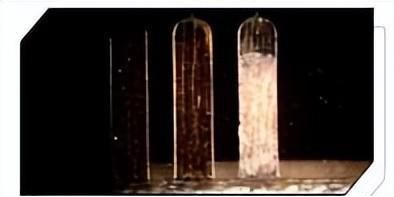
2. Solder Contamination: Occurs when excess solder or flux splashes onto the contact area during wave soldering.
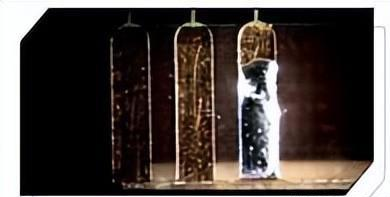
3. Plating Wear: Frequent insertion can strip the gold layer, exposing the underlying nickel or copper and causing oxidation.

3 Methods to Repair PCB Gold Fingers
Method 1: The Electroplating Method
This technique is best for surface-level scratches or worn plating. It uses a plating probe to restore the metal surface and improve conductivity. It is not suitable for missing or snapped pads.
Step 1: Inspection. Confirm the depth of the damage and ensure there are no deep pinholes in the substrate.
Step 2: Solder Removal. Use a solder stripping solution to clean the contact surface until it is perfectly smooth.
Step 3: Cleaning. Rinse the area with water or an air sprayer to remove all chemical residues.
Step 4: Electrical Setup. Secure the board and connect a conductive wire to the edge of the contact being repaired.
Step 5: Plating. Use a saturated electroplating probe to brush the surface evenly, restoring the gold layer.
Method 2: The Epoxy "Drip" Method
Ideal for replacing a single missing or severely damaged pad, this method uses epoxy resin to bond a new contact onto the PCB surface.
Step 1: Removal. Carefully strip away the defective gold finger and clear any nearby solder mask.
Step 2: Preparation. Select a replacement contact that matches the original specifications.
Step 3: Precision Cutting. Trim the new contact to the exact dimensions of the missing finger.
Step 4: Alignment. Use high-temperature tape to hold the new contact in the correct position.
Step 5: Bonding. Apply epoxy and allow it to cure, ensuring the new finger is flush with the board's beveled edge.
Method 3: The Film Attachment Method
This is the most precise method for high-frequency PCBs. It uses replacement contacts backed with dry-film adhesive that bonds to the board via heat.
Step 1: Surface Prep. Remove the old contact and sand the area until it is completely flat.
Step 2: Matching. Choose a replacement finger with the correct plating thickness.
Step 3: Trimming. Cut the new contact to size and peel away the protective backing.
Step 4: Thermal Bonding. Position the contact and use a soldering iron to apply heat, activating the adhesive.
Step 5: Beveling. File down any overhang to ensure the new finger aligns perfectly with the original 45-degree chamfer.
Critical Precautions for Successful Rework
Surface Purity: Any grease or flux residue will prevent the plating or adhesive from bonding correctly.
Temperature Control: Excess heat from a soldering iron can delaminate the PCB substrate. Always use a temperature-controlled iron.
Electrical Testing: After you repair PCB gold fingers, always perform a continuity and impedance test to ensure signal integrity.
Conclusion
Damaged connectors don't have to mean a scrapped board. Whether you use electroplating, epoxy bonding, or film attachment, you can effectively repair PCB gold fingers and save on replacement costs. The key is to match the repair method to the severity of the damage and the signal requirements of the board.
At PCBGOGO, we offer professional PCB design and manufacturing services, including optimized gold finger layouts to prevent wear and ensure long-term durability. If your project requires high-speed performance and reliable connectivity, we are here to help.