日本語
日本語
 한국어
한국어

How to Clean a PCB? 4 Techniques and 3 Considerations to Maximize Reliability
In the intricate world of PCBA Assembly, ensuring the longevity and performance of electronic devices hinges on one crucial step: cleaning. After the SMT Process (Surface Mount Technology) is complete, contaminants like flux residues, solder spheres, and dust remain on the circuit board. If you've ever wondered "How to clean a PCB" effectively to prevent short circuits and component failure, this article provides the definitive guide.
We will explore the four most effective PCB cleaning techniques and detail the three critical post-solder considerations that are essential for maximizing Circuit Board Reliability in all Electronics Manufacturing applications.
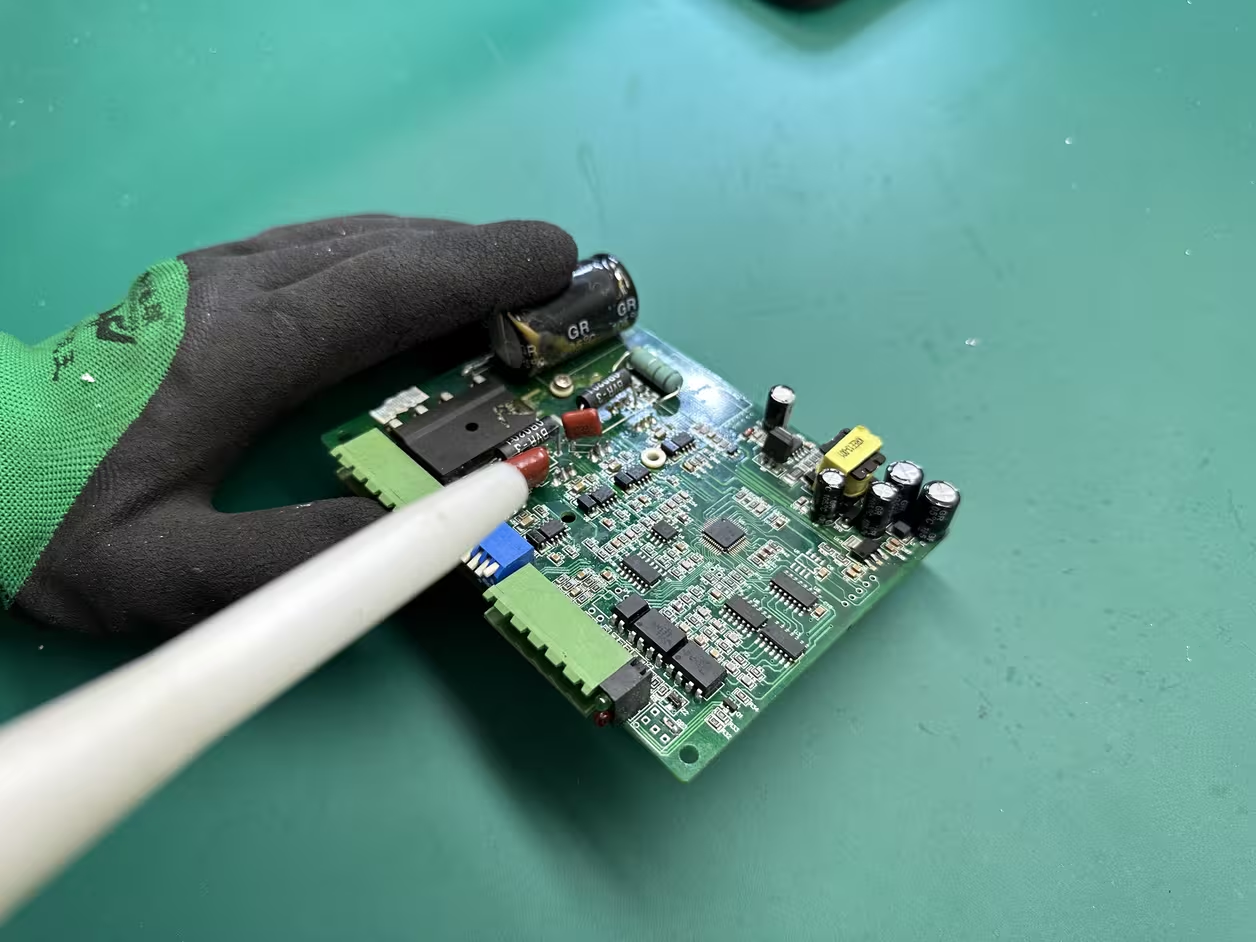
4 Essential Techniques: How to Clean a PCB Effectively
Choosing the right method for Flux Residue Removal is dependent on the type of components used and the nature of the contaminants. Here are the four primary techniques used in professional settings:
1. Semi-Aqueous Cleaning
This technique bridges the gap between traditional solvent-based cleaning and pure water cleaning.
What it is: A solution composed of organic solvents, deionized water, and various additives (surfactants).
Key Advantage: It is generally low-toxicity and features a high flash point, offering a safer alternative while providing powerful dissolving capabilities.
Process Note: Requires an immediate water rinse after the solvent application to wash away the solubilized contaminants, followed by a thorough drying cycle.
2. Aqueous Cleaning
A highly popular and environmentally conscious approach for PCB cleaning.
What it is: Uses purified water as the primary agent, augmented with specialized chemicals like surfactants, corrosion inhibitors, and chelating agents.
Best For: Excels at removing polar (water-soluble) contaminants and is increasingly effective on non-polar residues when combined with appropriate chemistries.
3. Solvent Cleaning
This method relies on specialized chemical solvents to dissolve and lift contaminants.
Key Advantage: Solvents are known for their high dissolving power and rapid evaporation rate. This often results in faster processing times and simpler equipment setups.
Application: Ideal for quick and efficient Flux Residue Removal on boards that can tolerate exposure to organic solvents.
4. Ultrasonic Cleaning
For high-density or complex boards where physical contact is difficult, ultrasonic cleaning is the answer.
Principle: High-frequency sound waves create microscopic bubbles in the cleaning solution—a phenomenon called cavitation.
Mechanism: When these bubbles rapidly implode, they generate intense energy that gently but effectively dislodges surface contamination from even the most inaccessible areas of the PCBA Assembly.
3 Critical Considerations After the SMT Process
Knowing how to clean a PCB is only half the battle. Adhering to strict post-solder protocols is equally vital to secure long-term Circuit Board Reliability.
1. Timeliness: Clean Immediately
Contaminants, especially acidic flux residues, become more corrosive and difficult to remove the longer they remain on the board.
Best Practice: Initiate the cleaning process as quickly as possible after soldering to prevent the residues from curing or causing irreversible damage to the copper traces and component pins.
2. Component Protection and Thorough Drying
This step prevents immediate damage and future failures.
Component Safety: Always shield any unsealed or non-washable components from direct contact with cleaning agents, as intrusion can cause irreversible internal component failure.
Drying Protocol: After washing, all moisture must be eliminated. Place the PCBA in a controlled environment, such as an oven at 30℃ to 50℃, for about 30 minutes to ensure complete moisture evaporation. Incomplete drying is a major cause of latent failures like leakage and dendritic growth.
3. Safeguard Labels and Markings
Ensure that necessary traceability information remains intact throughout the cleaning process.
Preservation: Critical component labels, barcodes, and other manufacturer markings must be protected from dissolving or smearing. Damaging this information can lead to quality control issues and make future servicing impossible.
Conclusion
How to clean a PCB? It involves more than just selecting a solvent; it requires a controlled process that integrates technology (like the four techniques mentioned) with strict quality control (the three considerations). By making these practices standard in your PCBA Assembly and Electronics Manufacturing workflow, you ensure optimal Flux Residue Removal and maximize the overall Circuit Board Reliability of your final products. Prioritizing thorough and immediate cleaning is the most effective investment you can make in the quality of your electronic devices.
For high-quality PCBs and professional PCBA services that adhere to rigorous cleaning and assembly standards, consider partnering with a trusted manufacturer like PCBGOGO. Contact us today to discuss your next project, or request a quote to experience the difference high-quality PCB and PCBA manufacturing can make!