日本語
日本語
 한국어
한국어

How SMT AOI Inspection Improves SMT Quality?
The miniaturization and high-density of modern Printed Circuit Boards (PCBs) have made manual inspection virtually impossible. Surface Mount Technology (SMT) Automated Optical Inspection (AOI) is the critical technology that ensures the quality and reliability of electronic assemblies by automatically scanning PCBs for defects at high speed and accuracy. SMT AOI Inspection is an essential step in maintaining high yields and preventing costly failures in the field.
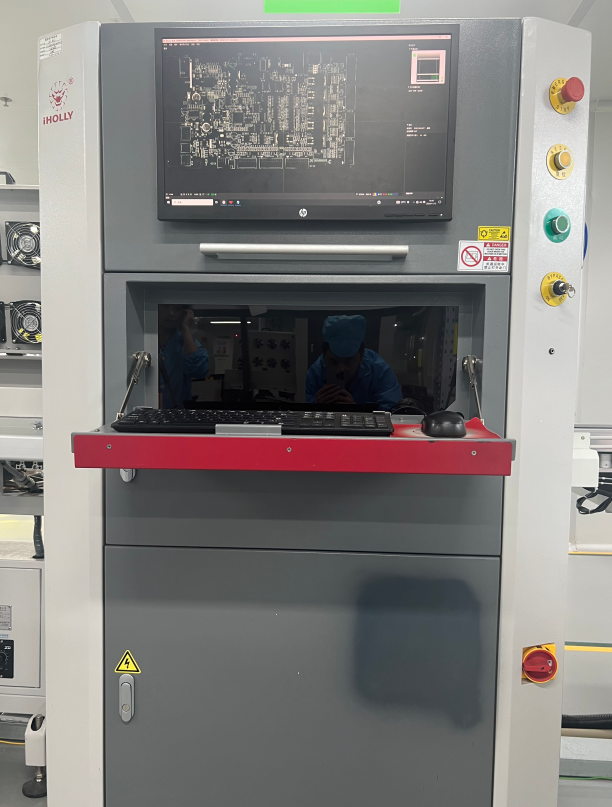
What is SMT AOI Inspection?
AOI is a non-contact inspection method that uses a high-resolution camera system to capture detailed images of a PCB. Sophisticated software then processes these images and compares the actual board features (like component placement, solder joints, and polarity) against a pre-programmed CAD data or a "golden board" reference. Any deviations outside the acceptable tolerances are flagged as defects.
AOI systems can be deployed at multiple stages in the SMT assembly line to catch specific types of defects early on:
Pre-Reflow AOI: Inspection after component placement but before the board goes through the reflow oven. It catches misplacements, missing components, and polarity issues.
Post-Reflow AOI: Inspection after the reflow oven. This is the most common use, focusing on the quality of the solder joints.
Post-Wave AOI: Used for mixed-technology boards after wave soldering.
Key Ways SMT AOI Inspection Improves SMT Quality
SMT AOI improves overall PCB quality by identifying and flagging numerous defects that affect both electrical functionality and long-term reliability.
1. Pinpointing Solder Joint Defects
Poor solder quality is the single biggest cause of PCB failure. AOI is highly effective at identifying the most common and critical solder defects:
Insufficient Solder: Not enough solder, leading to a weak or non-existent connection.
Excess Solder/Bridging: Too much solder, which can create shorts between adjacent component pads or leads.
Solder Balls: Small spheres of solder that can cause shorts or detach and cause problems later.
Lifted/Tombstoned Components: When a small component (like a resistor or capacitor) lifts up on one end during reflow.
2. Ensuring Correct Component Placement and Orientation
The precision required for placing tiny SMT components is extremely high. AOI verifies that every component is in the right place:
Missing Components: Detects components that were not picked and placed.
Misalignment (Offset): Flags components that are shifted too far from the center of their pads.
Incorrect Polarity: Verifies that polarized components (like diodes, capacitors, and ICs) are oriented correctly. A backward component will often cause the circuit to fail immediately.
3. Increasing Production Yield and Throughput
By catching defects early in the process, AOI significantly improves manufacturing efficiency:
Process Control Feedback: AOI systems generate data that provides immediate feedback to the upstream machines (like the stencil printer or the pick-and-place machine). This allows operators to quickly adjust equipment settings before hundreds of defective boards are produced.
Reduced Repair Costs: It is much less expensive and less damaging to repair a component on a board before it has been fully soldered (pre-reflow) than to find and fix a fault after the final assembly and functional testing.
4. Enhancing Reliability and Traceability
In safety-critical industries (like medical or automotive), detailed quality assurance is mandatory.
Consistency: AOI enforces a consistent, objective standard of quality across all boards, eliminating the subjectivity and fatigue inherent in manual inspection.
Data Logging: Modern SMT AOI systems log detailed data, including images, coordinates, and defect types for every inspected board. This provides valuable traceability for future audits and failure analysis.
Conclusion
SMT AOI inspection is no longer a luxury—it's a necessity for any manufacturer aiming for high-quality, high-reliability PCBs. By rapidly and accurately identifying defects related to component placement, orientation, and solder joint quality, AOI systems provide the critical feedback loop needed to optimize the entire SMT assembly process. Investing in a robust SMT AOI Inspection solution is one of the most effective ways to boost your production yield and safeguard the reputation of your electronic products.
If you’re looking for a PCBA manufacturer with strong AOI capabilities and proven SMT quality, PCBGOGO is ready to support you every step of the way. With professional engineers and automated inspection systems, PCBGOGO ensures every board—from prototypes to mass production—meets the highest quality standards.