日本語
日本語

DIP vs SMT Assembly: Key Differences and Which One Is Right for You
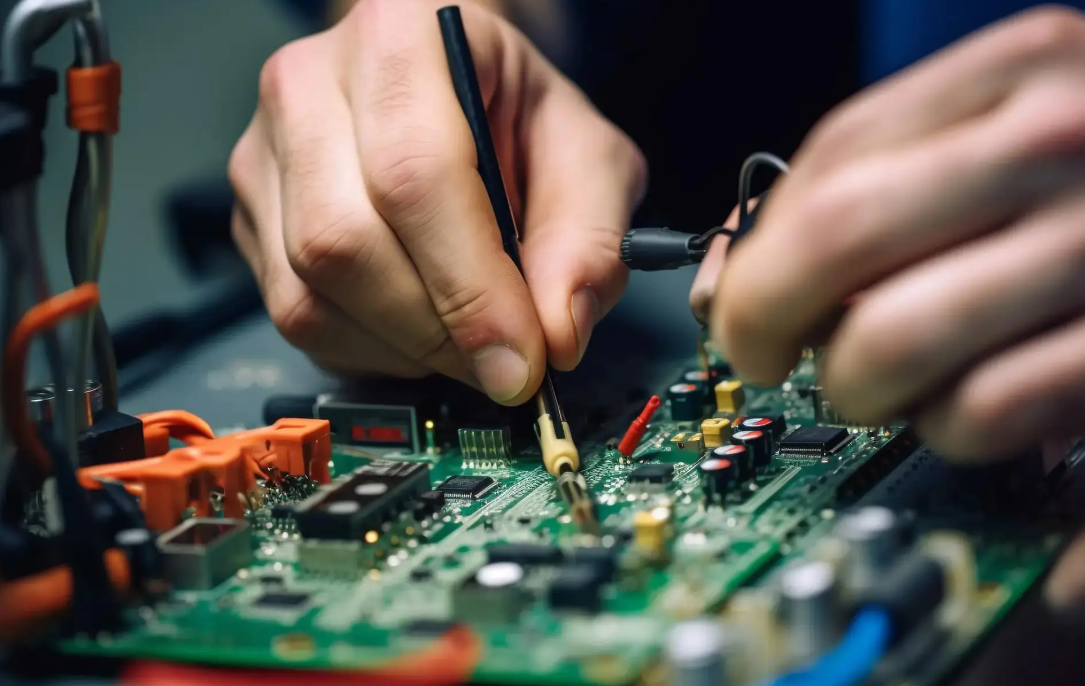
In modern electronics manufacturing, DIP vs SMT assembly represents the two main approaches for PCB component mounting. Each method has unique advantages and limitations, making them suitable for different production requirements and product designs. This article explores the major differences, helping engineers and manufacturers choose the right approach for their applications.
DIP vs SMT Assembly: Side-by-Side Comparison
To help you quickly compare the two approaches, here’s a summary table of the key differences:
| Comparison Point | DIP Assembly | SMT Assembly |
|---|---|---|
| Component Type & Mounting | Through-hole components with pins | Surface-mount components, small or no pins |
| Installation & Soldering | Insert into holes, wave/manual soldering | Pick-and-place and reflow soldering |
| PCB Design & Layout | Wider spacing, simpler layout | High-density, precise pad arrangement |
| Automation & Efficiency | Lower automation, slower production | High automation, faster production |
| Space Utilization | Larger components, more PCB area | Compact, can use both sides, high space efficiency |
| Suitable Applications | Prototypes, small-batch, industrial control | Mass production, consumer electronics, high-density devices |
| Cost & Equipment | Lower initial investment, higher manual labor | Higher initial investment, lower per-unit cost in large scale |
1. Component Types and Mounting Methods
DIP (Dual In-line Package) components are through-hole devices with two parallel rows of pins. They are inserted into pre-drilled holes on the PCB and then soldered, either manually or by wave soldering. Common DIP components include integrated circuits, resistors, and capacitors.
In contrast, SMT (Surface Mount Technology) components are typically smaller and soldered directly onto the PCB surface. These include chip resistors, capacitors, diodes, and microcontrollers. SMT components often have short leads or no leads, which allows high-density placement and more compact PCB layouts.
Keywords naturally inserted: through-hole vs surface mount technology, DIP components applications
2. Installation and Soldering Process
DIP assembly requires inserting the component pins into the PCB holes, followed by soldering. This process often involves more manual labor and is flexible for prototyping or low-volume production.
SMT assembly relies on automated pick-and-place machines and reflow soldering. Components are placed on the PCB pads without holes, enabling smaller, lighter, and more compact designs.
Keywords naturally inserted: PCB assembly methods, SMT production efficiency
3. PCB Design Considerations
DIP assembly requires PCB designers to plan for through-holes and accommodate component pin layouts. The spacing is generally wider, and the layout is less dense.
SMT assembly demands precise layout planning. Designers must consider component package size, orientation, and spacing to achieve high-density integration, supporting micro-sized, lightweight electronics.
Keywords naturally inserted: PCB layout and design, SMT production efficiency
4. Automation and Production Efficiency
SMT is highly compatible with automated assembly. Machines can place and solder components rapidly and accurately, significantly boosting production efficiency.
DIP assembly can also be automated, but the process is more complex. For small-batch production or prototypes, manual DIP assembly is still common. In large-scale production, SMT generally outperforms DIP in efficiency and speed.
5. Space Utilization and Product Features
SMT components can be mounted on both sides of the PCB and are usually smaller, maximizing space utilization and enabling thinner, lighter products.
DIP components require more board space due to larger size and through-hole requirements, reducing overall space efficiency.
6. Suitable Applications and Flexibility
DIP assembly is ideal for small-batch production, prototyping, and applications requiring large or specialized components. It remains widely used in industrial control, automotive electronics, and instrumentation.
SMT assembly dominates consumer electronics, including smartphones, tablets, and laptops, where miniaturization and high-density integration are critical.
7. Cost and Equipment Investment
SMT equipment has higher initial investment costs but delivers long-term savings due to automation, efficiency, and reduced material usage.
DIP assembly equipment is less expensive, suitable for small manufacturers or products with lower integration requirements. However, with ongoing trends toward miniaturization and high-density PCBs, DIP’s cost advantage is gradually diminishing.
Conclusion
DIP vs SMT assembly differs in component types, mounting methods, PCB layout, automation potential, space utilization, application suitability, and cost-effectiveness.
When choosing between DIP and SMT, manufacturers should consider:
Product design and size
Production volume and scalability
Component types and availability
Selecting the right assembly method ensures optimal balance between production efficiency, cost, and product quality. For modern electronics, SMT assembly is generally preferred for high-volume, high-density, and miniaturized products, while DIP assembly remains valuable for prototyping, small-batch runs, or specialized components.
PCBGOGO provides professional PCB assembly solutions, covering both DIP assembly and SMT assembly, and delivers guidance in selecting the best method for your products. Contact us freely!