日本語
日本語
 한국어
한국어

BGA Rework Process: 3 Key Steps to rework BGA components?
Ball Grid Array (BGA) packages represent a high-density, complex component technology essential in modern electronics manufacturing. While highly reliable, defects in the field or during the initial Surface Mount Technology (SMT) assembly often necessitate sophisticated repairs. Performing BGA rework is one of the most demanding tasks in PCBA repair, requiring precision and control to avoid damaging the component, the PCB, or neighboring parts. Understanding the rigorous steps of the BGA Rework process is key to maintaining product integrity and reliability.
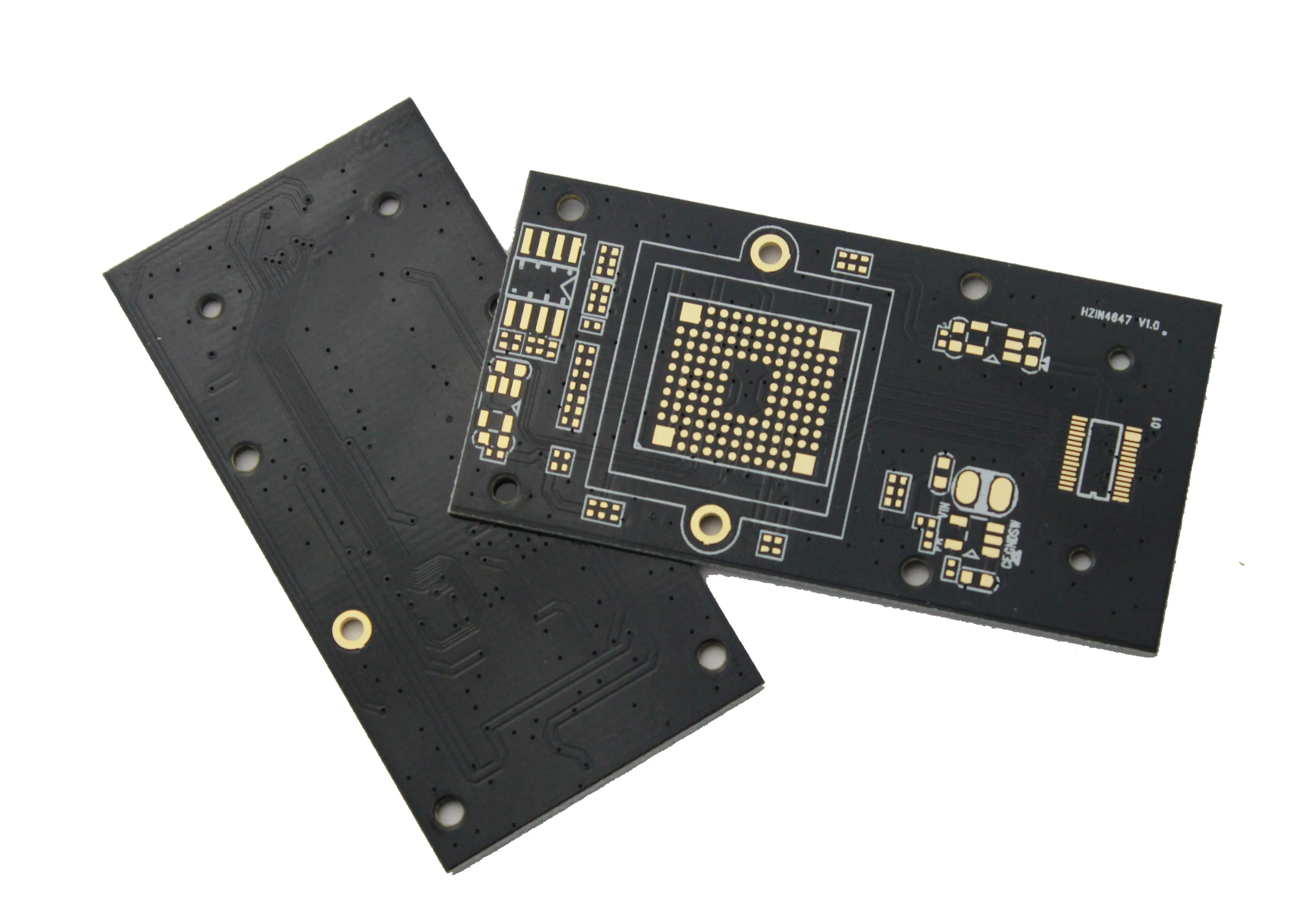
Phase I: Preparation, Diagnosis, and Setup
A successful BGA Rework Process begins long before the heat is applied. This phase ensures the problem is correctly identified and the environment is controlled.
1. Detection and Diagnosis
Action: The faulty BGA must be thoroughly examined. Common problems include non-wetting, open circuits, or short circuits under the component.
Tool: Specialized X-ray inspection equipment (Automated X-ray Inspection or AXI) is crucial here, as it allows operators to visually inspect the hidden solder balls beneath the BGA package to confirm the exact nature and location of the defect without physical access.
Outcome: A precise understanding of the issue dictates the repair strategy (e.g., reballing the chip vs. simple re-attachment).
2. Material and Tool Readiness
Action: Prepare all necessary materials, including fresh solder paste or flux, cleaning solvents, and the replacement BGA chip (if required).
Tool: The primary equipment is the BGA Rework Station, which features highly accurate thermal control, alignment optics, and specialized vacuum tools for safe component handling.
Phase II: Safe Component Removal and Pad Preparation
This is the most delicate step, where localized heating is essential to protect the surrounding area.
1. BGA Component Desoldering
Action: Using the BGA Rework Station, a customized thermal profile is applied. This profile precisely controls the temperature ramp rate and soak time to uniformly heat the component's solder balls to their melting point without overheating the board.
Tool: The localized top and bottom heaters of the BGA Rework Station ensure optimal heat distribution. Once the solder is molten, the machine's vacuum pickup tool automatically and gently lifts the BGA chip.
2. Residue Removal and Site Cleaning
Action: After removal, the PCB pads and the BGA package (if being reused) must be meticulously cleaned to remove residual solder and flux.
Method: Residual solder on the PCB pads must be carefully leveled using specialized de-soldering braid or a vacuum desoldering tool, followed by cleaning with an appropriate solvent to ensure the site is contaminant-free and oxidation is removed.
Phase III: Reattachment and Reflow
The placement and soldering phases require sub-micron precision to ensure proper alignment and metallurgical integrity.
1. Flux Application and Reballing (If necessary)
Action: A controlled layer of fresh flux is applied to the cleaned PCB pads. If the old BGA component is reused, a process called reballing (attaching new solder spheres to the BGA contacts) may be required before the next step.
Importance: The fresh flux ensures excellent solder wetting during reflow.
2. Placement and Soldering
Action: The BGA chip is precisely aligned over the PCB pads using the alignment optics of the rework station. Accurate alignment is critical, as the component's hidden nature makes manual correction impossible. The same, verified thermal profile used for removal is then run to precisely reflow the new solder joints.
Requirement: The BGA Rework Process requires tight thermal control to achieve proper solder joint coalescence and robust formation.
Phase IV: Validation and Final Quality Assurance
No BGA Rework Process is complete without comprehensive validation to confirm the repair's success.
1. Electrical Testing
Action: The repaired PCBA is subjected to functional tests (FCT) to verify all electrical connections and component functions are operational and free from short or open circuits.
2. X-Ray Inspection
Action: Since BGA joints are "invisible" (Type-D connections), a final inspection using X-ray equipment is mandatory.
Outcome: The X-ray image reveals the shape, volume, voiding, and precise alignment of every solder ball, confirming the high quality of the repair and the integrity of the crucial BGA component.
Excellence in BGA Rework with PCBGOGO
In conclusion, executing a professional BGA Rework Process is a multi-stage discipline demanding highly specialized equipment, expert technicians, and meticulous process control from diagnosis through final validation. Precision in thermal profiling and alignment is non-negotiable for high-yield, reliable repairs.
At PCBGOGO, we meet this challenge head-on by integrating the most advanced technology into our operations. Our rework facility is equipped with state-of-the-art BGA Rework Stations featuring high-definition optical alignment systems and closed-loop thermal monitoring to ensure we meet the stringent IPC standards for complex component soldering and rework. Furthermore, our mandatory use of X-ray inspection after every BGA procedure guarantees the metallurgical integrity and alignment of the hidden solder joints. Contact us to get professional PCB solutions now!