Electronic Project Engineer's Best Partner!

Low Cost Flex & Rigid-Flex PCB Solutions

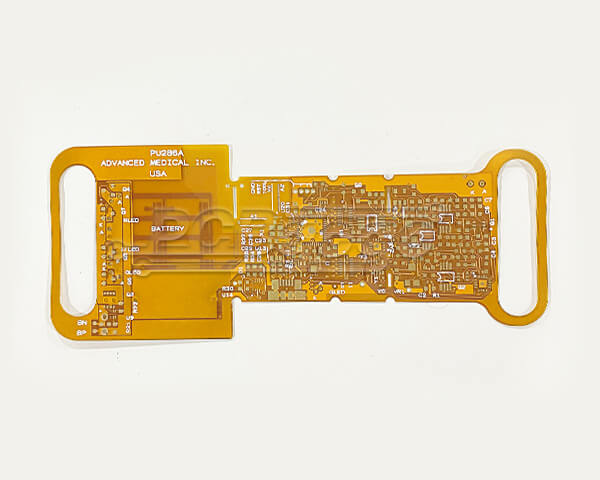
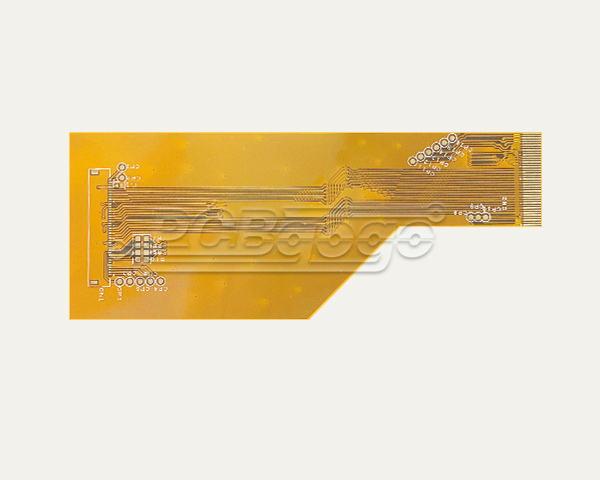
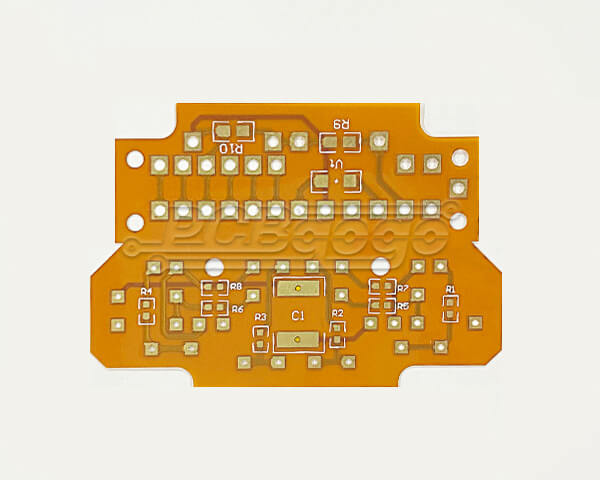
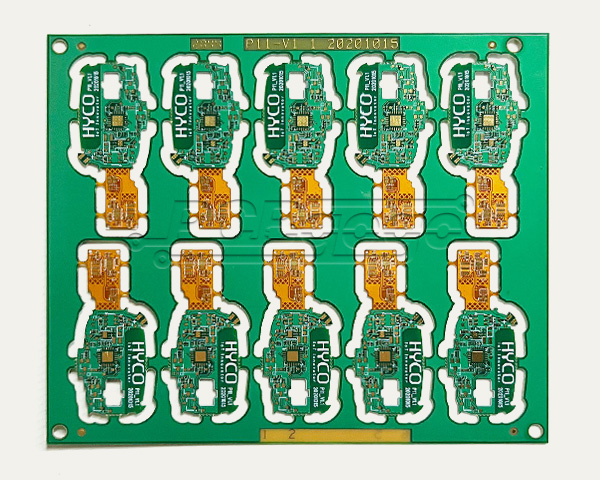
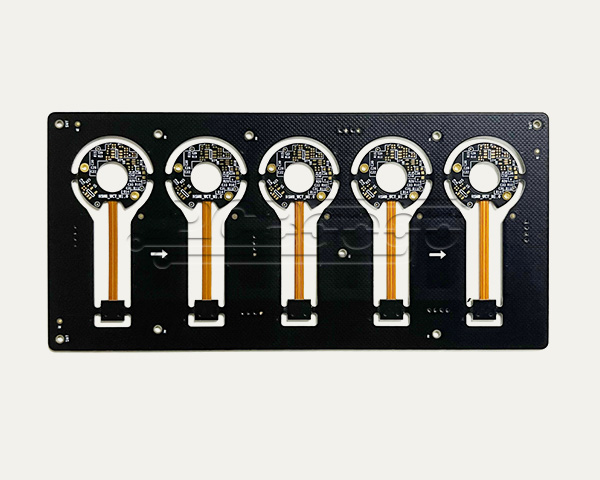
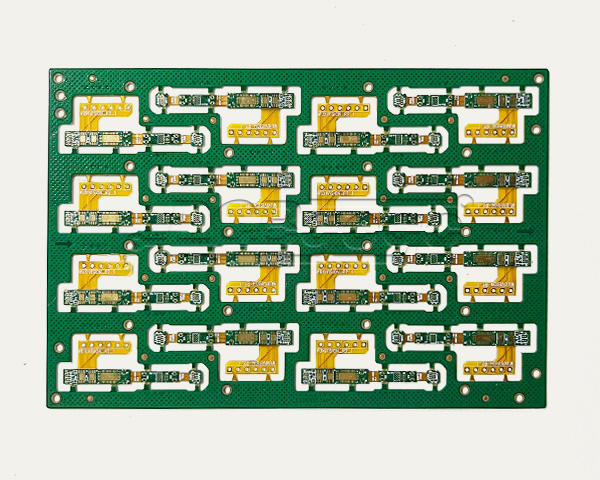
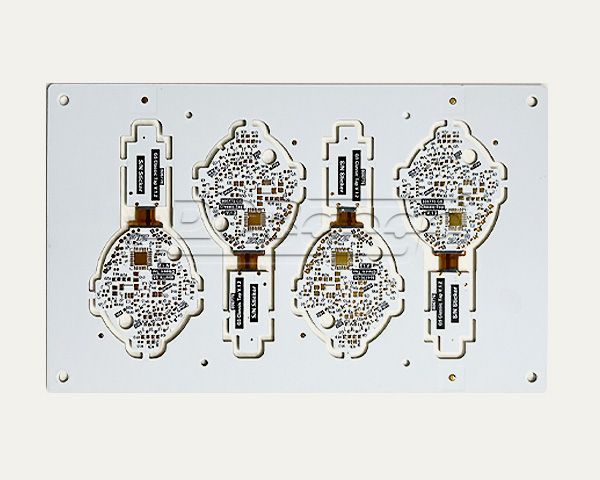
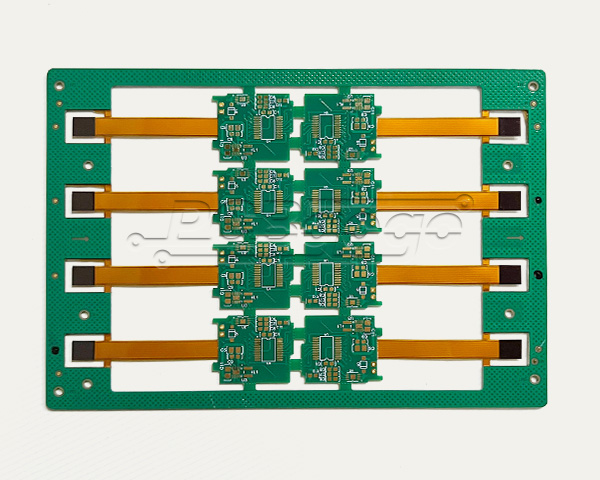
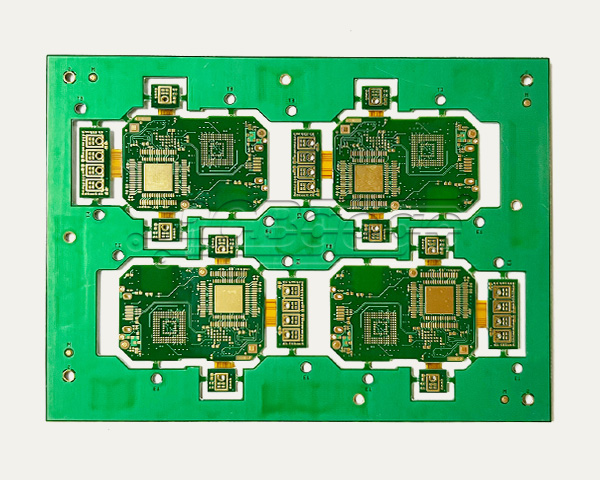
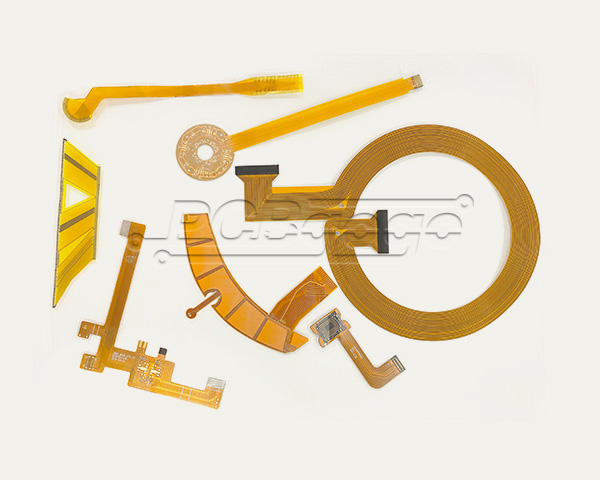
PCBGOGO's flexible and rigid-flex PCBs apply to IPC-2223, ISO9001, and UL certification. Browse example flexible PCBs and rigid-flex PCBs manufactured by PCBGOGO.
2 Layers 0.2mm FPC
4Layers FPC (1R+2F+1R)
8 Layers FPC
6 Layer FPC
10 Layers Rigid-Flex board
4 Layers Rigid-Flex Board
12 Layer White Rigid-Flex board
8 Layers Rigid-Flex  PCB
6 Layers Rigid-Flex Board
4 Layers FPC

Flexible/Rigid-flex PCB capabilities

With great rigid-flex and flexible PCB manufacturing capabilities, PCBGOGO supports full customization, including layer counts, materials, thickness, and more. Easily dealing with your multi-level requirements.
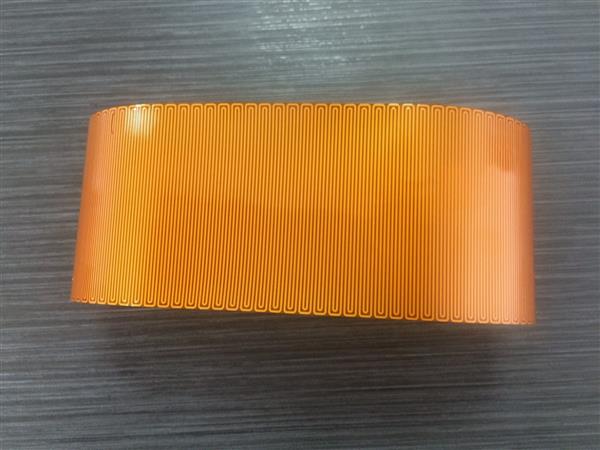
Flexible PCB Capabilities

PCBgogo can manufacture flexible PCB in 1~6 layers. Surface finishing types include but are not limited to ENIG, OSP, Immersion silver, and chemical Tin.
See more about PCBgogo flexible PCB manufacturing capabilities.

Rigid Flex PCB Capabilities

The rigid-flex PCB is available in 2~8 layers with additional options of Half-cut/Castellated Holes and Impedance control.
Click here for our rigid-flex PCB capabilities.

Frequently Asked Questions

What is a Flexible PCB?

What are the differences between FPC and rigid PCBs?

What are the benefits of flexible PCBs?

What is a Flexible PCB?
Flexible PCBs (FPC) are PCBs that can be bent or twisted without damaging the circuits, which means the boards can bend freely to conform to the desired shape in the applications. The material of the substrate is flexible, such as Polyamide, PEEK, or a conductive polyester film.
What are the differences between FPC and rigid PCBs?
Material: The dielectric layers in FPCs are typically homologous sheets of flexible polyimide material. While in rigid PCBs, the dielectric layers are usually the composite of epoxy and glass fiber woven cloth.
Solder mask: A rigid PCB has a solder mask on both sides with the SMT pads or PTH holes exposed for assembling components. FPCs usually use a thin polyimide material as a cover coat that can be drilled or laser-cut to access the components.
Price: FPCs are more expensive than rigid PCBs. But FPCs have plenty of benefits to improve the cost performance, like space-saving, weight-reducing, and high reliability, etc.
What are the benefits of flexible PCBs?
Excellent flexibility: FPCs are often used as connectors in various applications. Its excellent flexibility can extend the service life of the circuits and save much space.
Lightweight and small volume: FPCs are lighter than rigid PCBs and can be designed to smaller sizes for their flexibility. These advantages make FPCs a favorable option in applications where weight and volume are the main limitations for designers.
Better resistance and movement performance: FPCs are easy to wrap without breaking and damaging. They are very suitable for outdoor electronics, sports equipment, and wearable electronics.
High reliability and excellent heat dissipation: There are no mechanical connectors in FPC applications, which improve durability in harsh environments. And the heat dissipation ability of FPCs is better than rigid PCBs.
Flexible PCB and Rigid-flex PCB have so many unique advantages in various applications.
If you are looking for FPC and rigid-flex PCB, feel free to contact us at service@PCBgogo.com.